Gili Trawangan, Gili Air or Gili Meno? How the three Gili Islands compare for snorkelling, turtles and surf, plus how to get there, when to go and what to wear.

Freediving - the art of exploring underwater depths on a single breath - might seem reserved for elite athletes or naturally gifted individuals. However, the desire to connect with the ocean’s mysteries is universal.

So, can anyone learn to freedive? The answer is a resounding yes. In this article, we’ll explore why freediving is accessible to almost everyone and how it’s more about mindset, technique, and safety than raw physical ability.

The ability to hold our breath underwater is an instinct we’re born with. From our first splash as children, humans have a natural affinity for water. Freediving taps into this innate skill, making it a sport accessible to people of all ages and fitness levels.
Unlike many extreme sports, freediving has a gentle and gradual learning process. Beginners start with simple breath-holding exercises in controlled environments before progressing to deeper dives. This approach allows learners to build confidence and comfort at their own pace.

Safety is at the core of every freediving experience, and proper instruction ensures a secure and enjoyable journey into the depths.
Certified freediving instructors are essential for teaching proper techniques, safety protocols, and effective breath-holding strategies. With professional guidance, participants can progress safely while gaining confidence in their abilities.
Central to freediving is relaxation and mindfulness. Controlled breathing and mental focus are vital for success. By mastering these techniques, freedivers can explore underwater realms with a calm and focused mindset, free from stress or panic.

Freediving isn’t just about physical endurance - it’s a mental challenge. Overcoming psychological barriers like fear or anxiety is often a bigger hurdle than physical limitations.
A focused and calm mind is the key to freediving success. Many training programs include mindfulness exercises to help participants manage stress, improve concentration, and stay relaxed during dives.
Freediving is often described as a transformative experience. Facing your fears and overcoming perceived limits fosters self-awareness, resilience, and a deep sense of accomplishment.

Freediving is an inclusive activity that caters to diverse learning paces, abilities, and health conditions.
Freediving courses are often customized to individual needs. Instructors adjust training methods and progression speeds to match each participant’s comfort and skill levels.
While freediving is generally safe for most people, individuals with specific health conditions should consult healthcare professionals before starting. With proper precautions and expert guidance, many people can enjoy freediving regardless of physical limitations.
So, can anyone learn to freedive? Absolutely. With the right mindset, professional instruction, and a commitment to safety, freediving becomes an enriching and accessible experience for people from all walks of life.
If you've ever dreamed of exploring the tranquil beauty beneath the ocean’s surface, now is the time to take the plunge. Find a certified instructor, embrace the journey, and let the underwater world open up a whole new realm of adventure for you.
For recommendations on freediving schools in Bali, feel free to reach out to us at hello@oceansoulbali.com.
“Anyone” comes with a few sensible caveats. Freediving puts pressure on the ears, sinuses and lungs, and it asks your body to cope with holding your breath. If you have a heart or lung condition, epilepsy, recurring ear or sinus problems, are pregnant or have any other health concerns, talk to your doctor before you start. Many schools ask students to complete a medical questionnaire, and some will ask for a doctor’s sign-off.
You do not need to be fearless to freedive. You need to be willing to relax.
That is normal. Most beginners are surprised by how much their breath-hold improves over a two or three day course, simply by learning to relax and breathe properly before a dive.
You need to be comfortable in the water, but freediving is less about swimming fast and more about staying calm. Fins do a lot of the work.
Equalising is a skill, and a good instructor will teach you how. Never force it. If your ears hurt, come up.


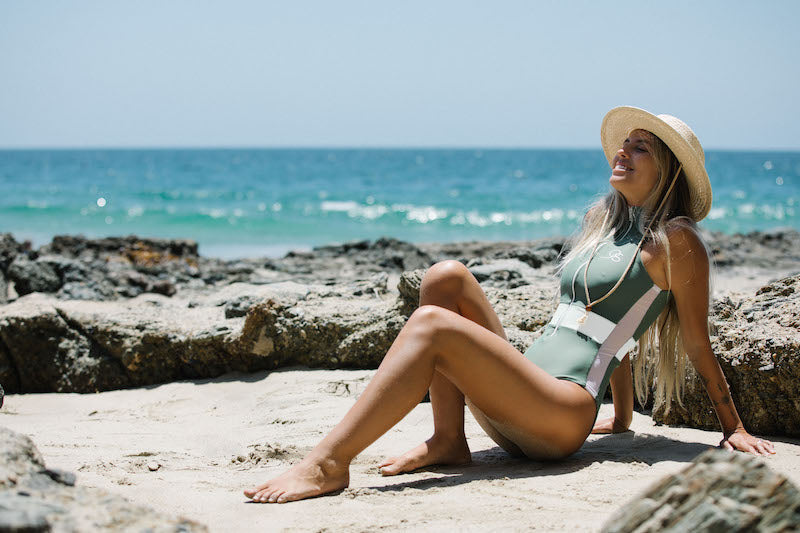
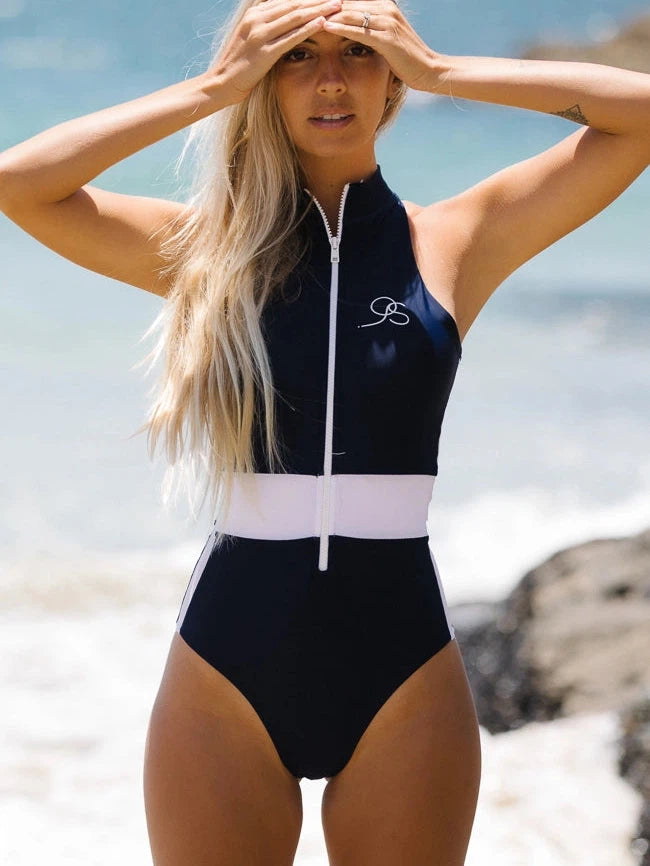
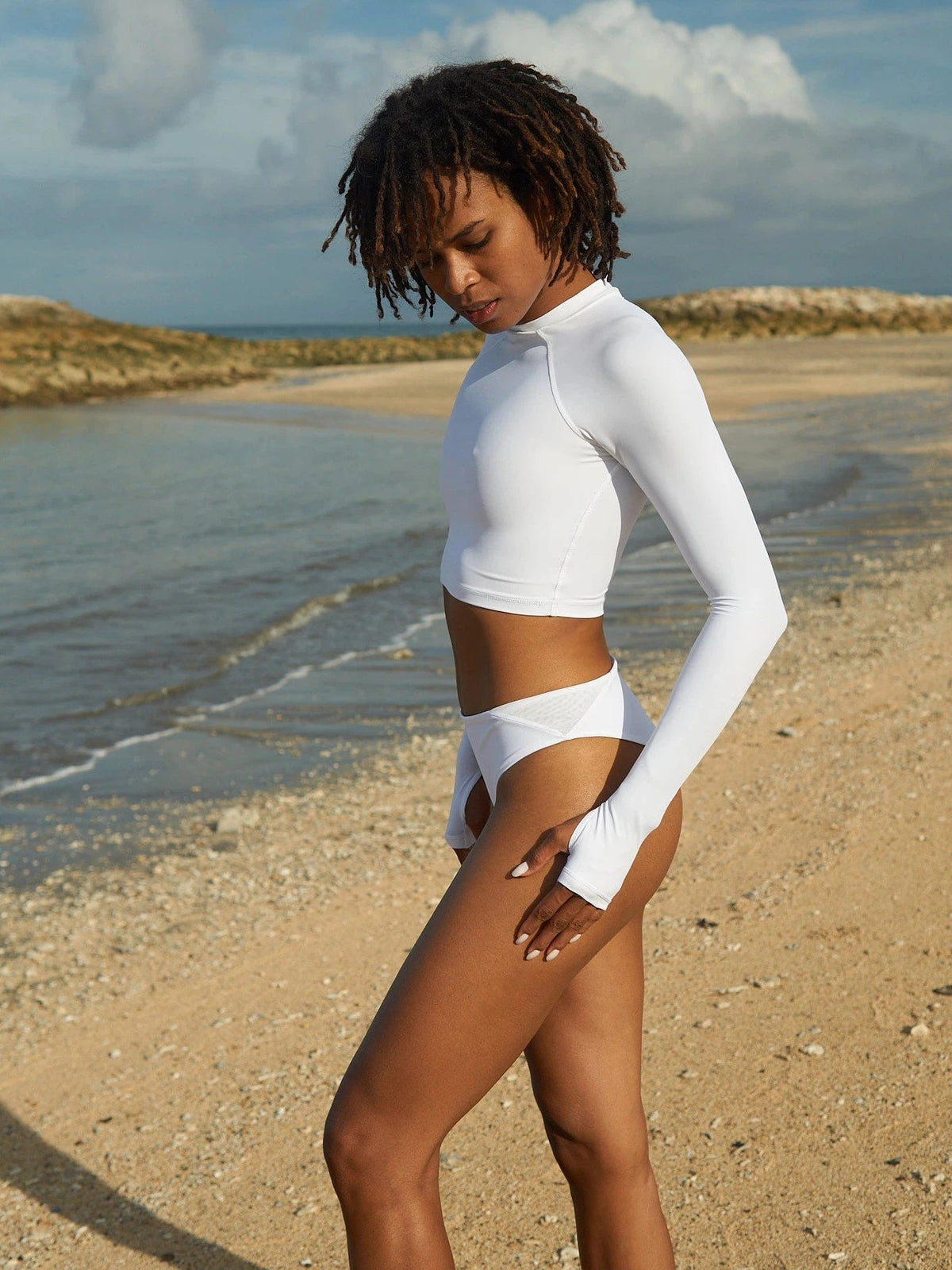
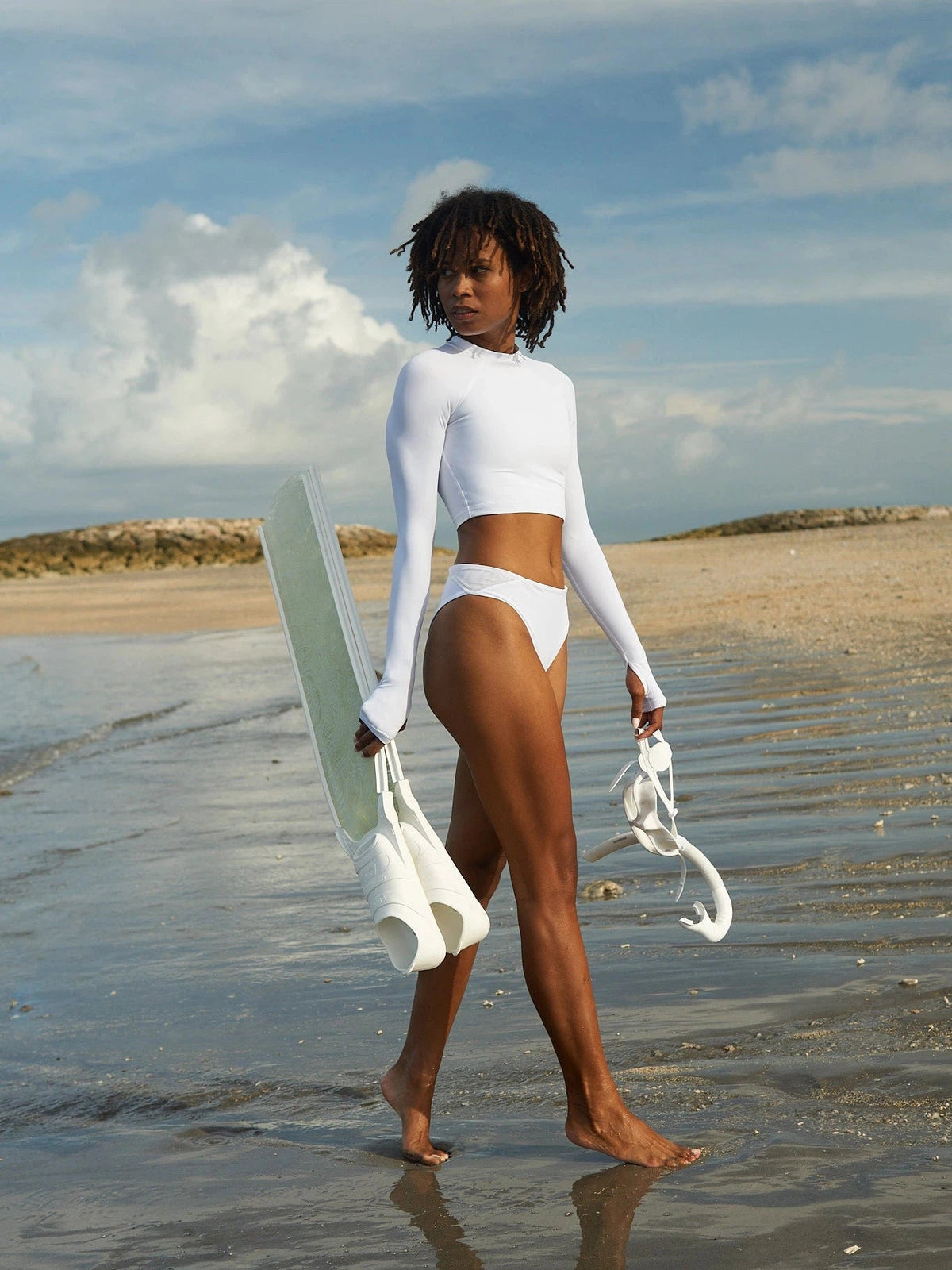
The Mentawai one piece, sculpted to stay in place when you duck dive.
$200 AUDShop the Mentawai →Warm, calm, clear water makes learning much easier. In Bali, Amed and Tulamben on the east coast are popular with beginners for their gentle bays and easy shore entries, and Nusa Lembongan and the Gili Islands are close by. Wherever you go, choose a school with small groups and instructors who put safety first.
Most people who are comfortable in the water can learn. Check with your doctor first if you have any heart, lung, ear or other health concerns.
A beginner course usually runs over two to three days, covering theory, breathing, safety and open water dives.
Yes, when you learn with a qualified instructor and always dive with a trained buddy.
And don’t forget - an eco-friendly swimsuit is the perfect companion for your aquatic adventures. Explore our sustainable swimwear collection here.
Here’s to new depths, endless possibilities, and embracing the ocean with every breath.
Want to know more? Learn to Freedive in Bali




Gili Trawangan, Gili Air or Gili Meno? How the three Gili Islands compare for snorkelling, turtles and surf, plus how to get there, when to go and what to wear.

Long torso swimsuit guide: how to measure your torso, the signs a one piece is too short, and the strapless and two piece styles that fit a longer body.

Amed is Bali's black sand freediving and snorkelling coast. Where to swim, how to snorkel the USAT Liberty wreck in Tulamben, when to go and what to wear.
GIFT WITH PURCHASE: a free Resort Beach Sarong with any swimsuit
Express Shipping – 2–4 Days
Free express shipping on orders over your country's minimum – see the banner at the top of the page