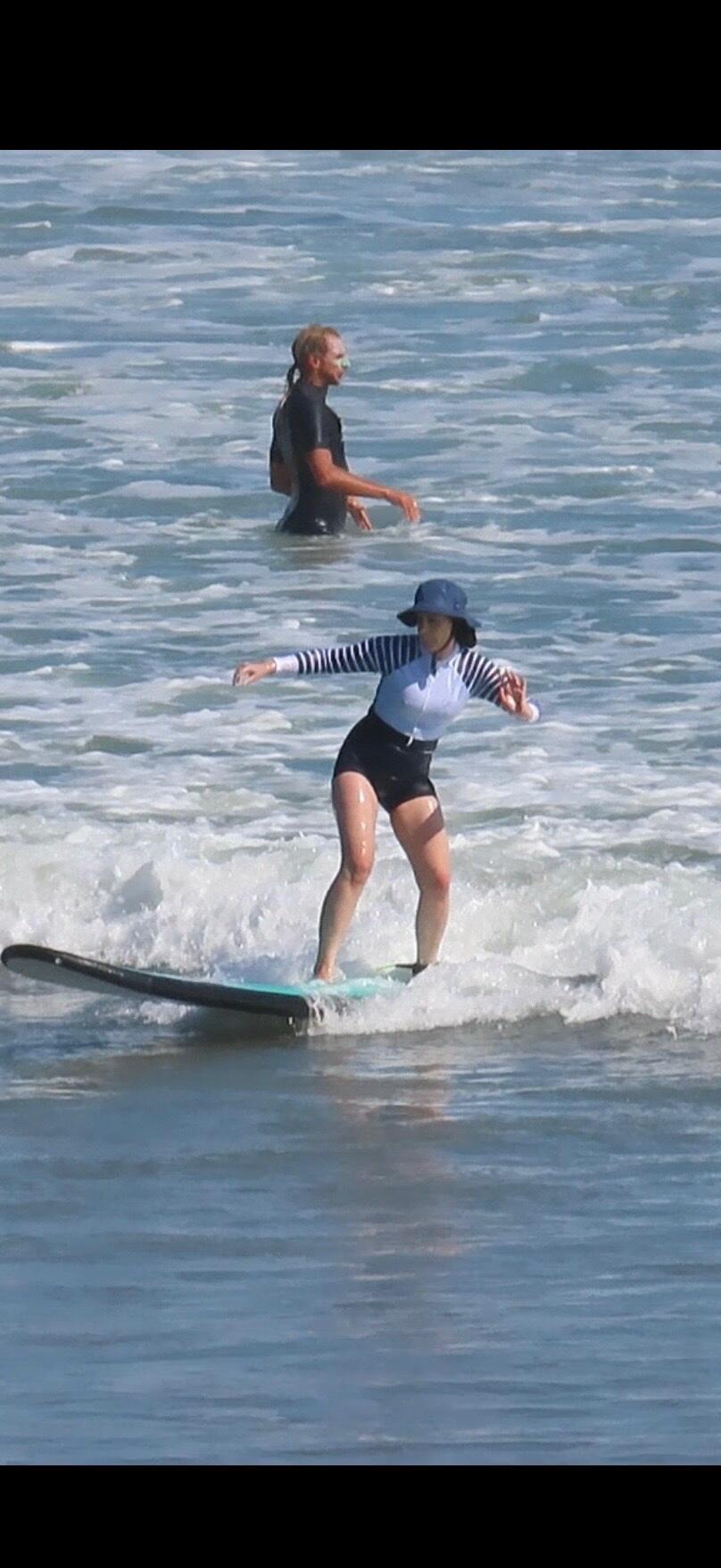
The water is warm year-round, many reefs are easily accessible, and there's an incredible variety of snorkelling locations suitable for complete beginners through to experienced ocean lovers.

If you've searched "freediving suit" and ended up looking at wetsuits, it's worth pausing before you buy. The two solve different problems, and picking the wrong one leaves you either overheating in neoprene or under-protected from the sun. Here's what each is actually built for, and which one your water actually calls for.
A wetsuit's job is thermal insulation. Neoprene traps a thin layer of water against your skin, and your body heats that layer, which is what keeps you warm in cold water. That's the entire point of the material - it's not primarily a sun-protection product, even though it does cover skin.
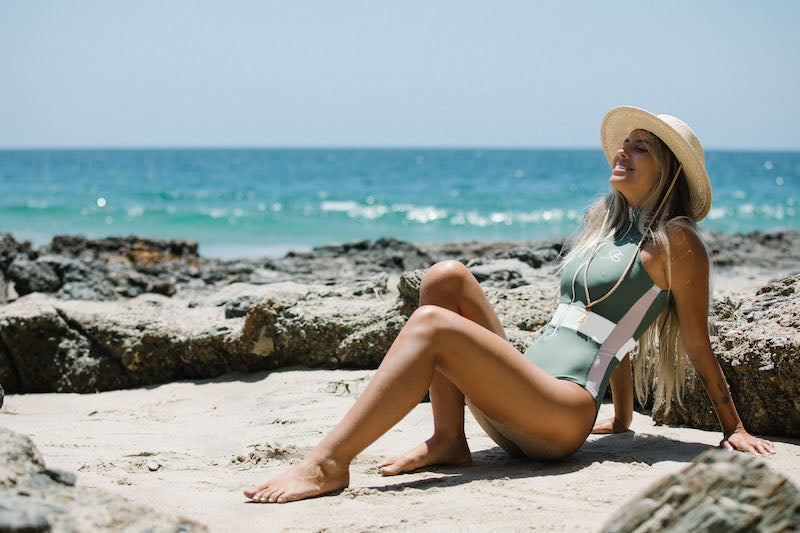
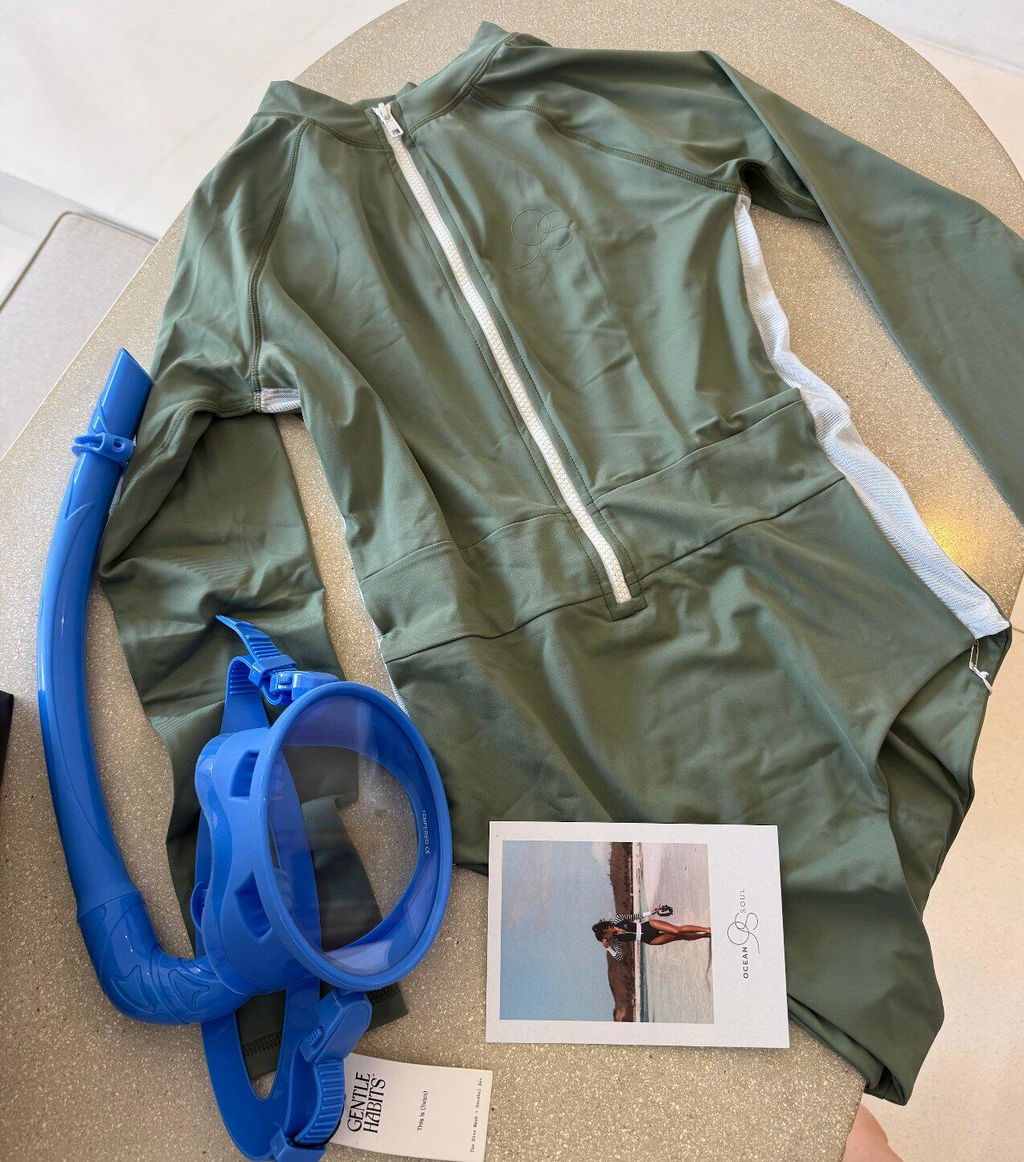
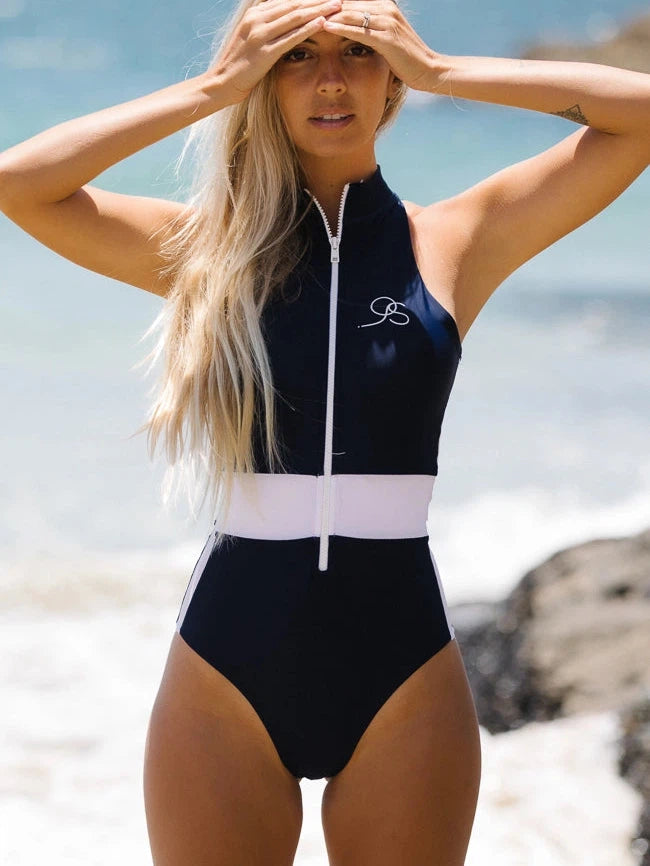
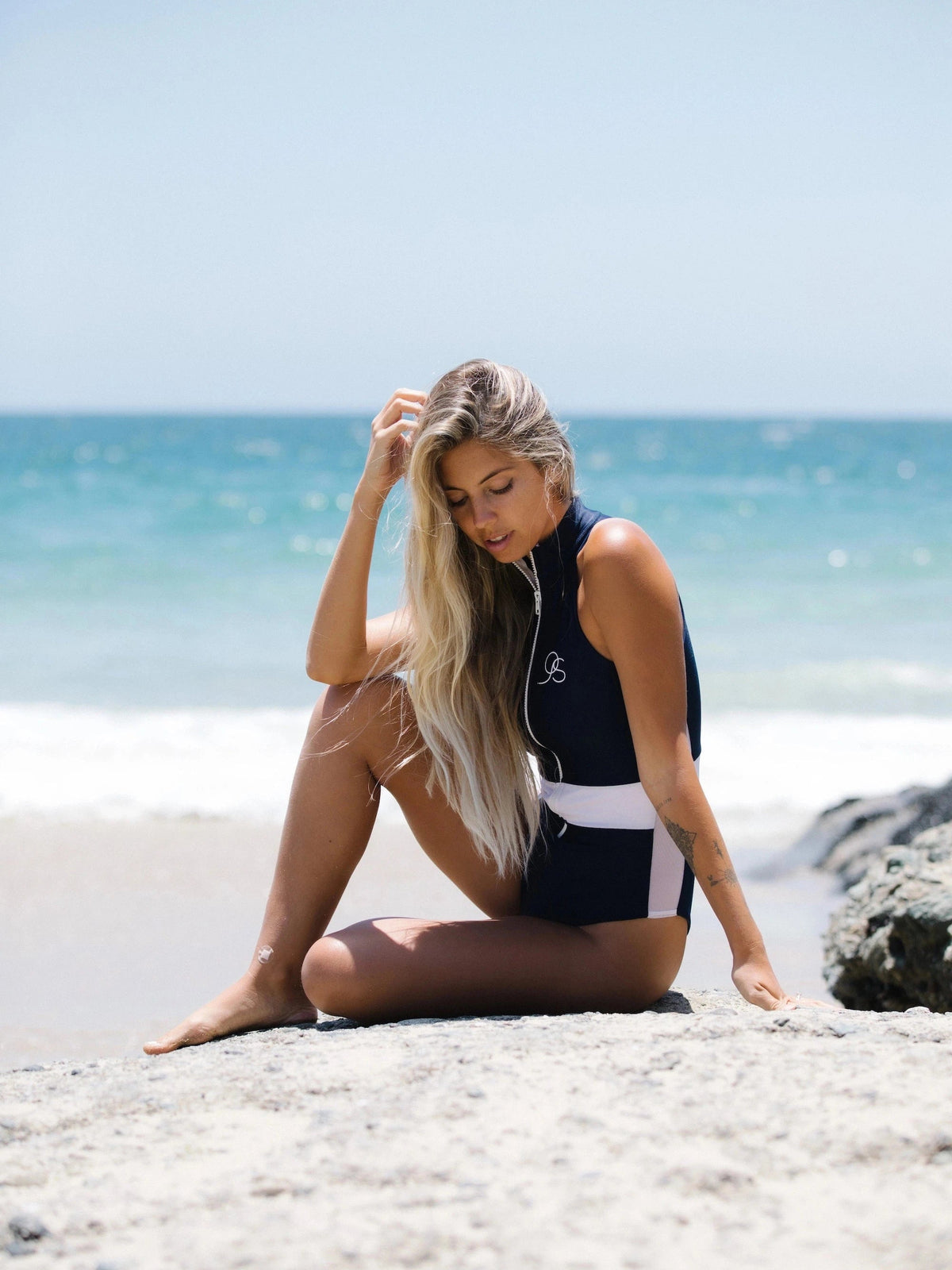
A long sleeve swimsuit built for freediving and surfing, like Ocean Soul's Sulawesi or Mentawai, has a different job in warm water: UPF 50+ sun protection with full freedom of movement, in water that's already warm enough that you don't need thermal insulation at all.
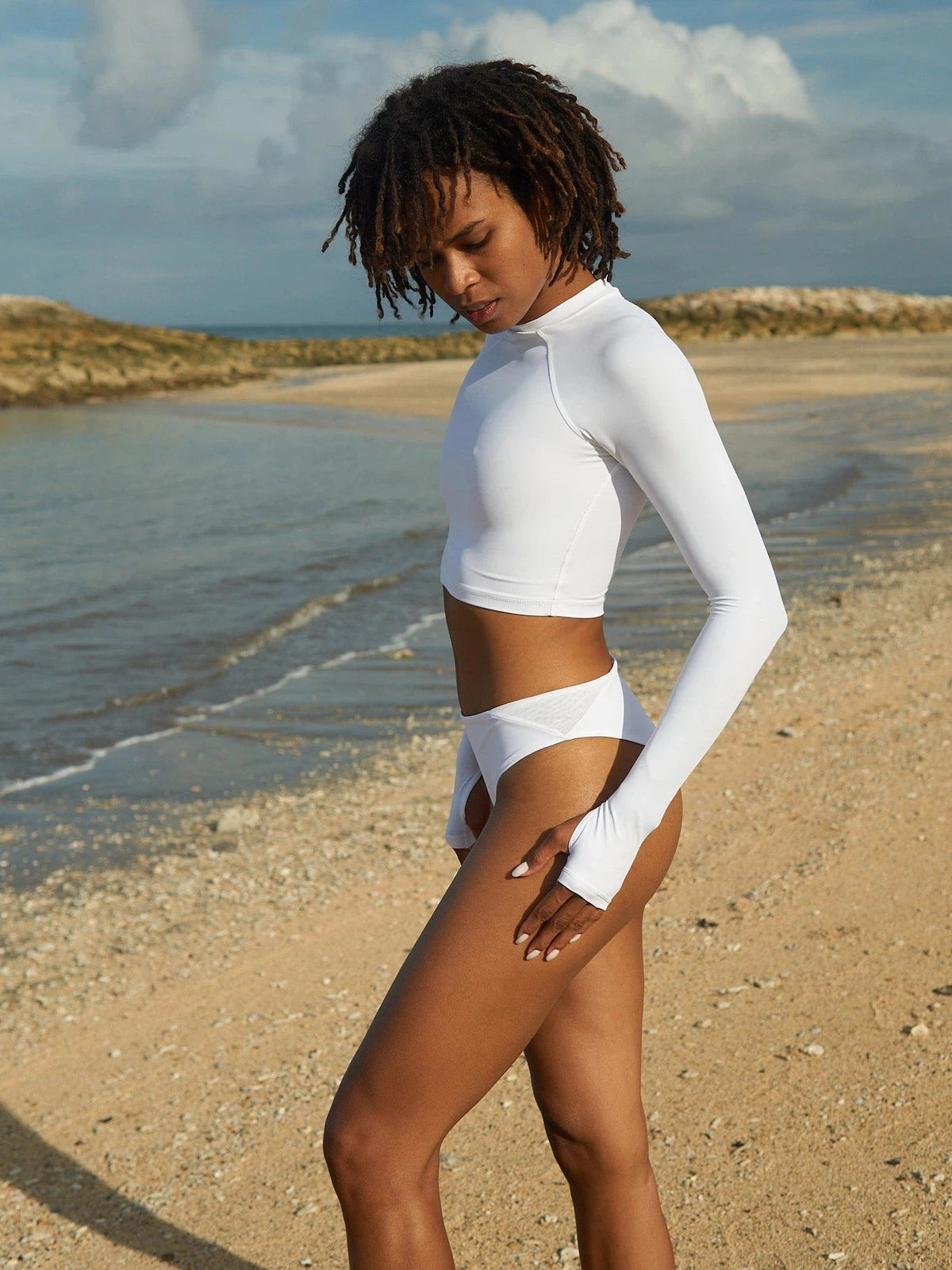
In warm water, what you actually need is sun protection that doesn't restrict how you move. A UPF 50+ long sleeve swimsuit does exactly that - full arm and torso coverage, a fabric that moves with you rather than fighting you, and none of the overheating that comes with wearing neoprene somewhere it was never designed for.
Best for: freediving, surfing, snorkelling and swimming in warm water, where sun exposure over hours is the real risk, not cold.

Long Sleeve Swimsuit - Sulawesi Nautical (Best Seller)
UPF 50+ coverage with the freedom of movement neoprene can't give you in warm water.
$230.00 AUD
Shop the Sulawesi Nautical →Cooler water, early mornings, or a dive site that runs colder than you expected - sometimes thermal insulation genuinely is what the day calls for, and no amount of UPF fabric replaces that. When that's the case, we build our wetsuits from eco-neoprene rather than traditional petroleum-based neoprene, so you get the same warmth and flexibility without the same environmental footprint.

Eco-Neoprene Surf Wetsuit - The Mentawai
Full thermal coverage in eco-neoprene, for the days actual insulation is what you need.
From $140.00 AUD
Shop the Mentawai Wetsuit →
Eco-Neoprene Spring Surf Suit - The Sulawesi
A lighter spring-suit build for transitional water temperatures, still in eco-neoprene.
$160.00 AUD
Shop the Sulawesi Spring Suit →A wetsuit is built from neoprene to trap a thin layer of water against your skin for warmth in colder water. A freediving suit in warm water, like Ocean Soul's long sleeve swimsuits, is built from UPF-rated swim fabric for sun protection and freedom of movement, not thermal insulation.
Not usually. Wetsuits are built for thermal protection in cool water. In warm tropical water, a UPF long sleeve swimsuit gives you sun protection and far more freedom of movement without the neoprene bulk or overheating.
Neoprene blocks UV reasonably well on the skin it covers, but wetsuits are rarely rated or tested for UPF the way dedicated sun-protective swim fabric is, and most warm-water suits leave the arms or face exposed regardless.
Freedom of movement and comfort in warm water. Neoprene restricts your range of motion and traps heat, which becomes uncomfortable fast in tropical conditions. A UPF long sleeve swimsuit moves with you and stays cool while still covering your skin from the sun.
When the water is cold enough that thermal insulation matters more than sun protection or freedom of movement. If that's your situation, an eco-neoprene wetsuit gives you the warmth without the environmental cost of traditional petroleum-based neoprene.
A wetsuit and a long sleeve swimsuit solve different problems - one keeps you warm in cold water, the other protects you from the sun in warm water without slowing you down. We carry both, built for whichever your day actually needs: UPF swimwear for warm water, and eco-neoprene wetsuits for when the water calls for real insulation.
Built for your water, whichever kind it is.
Shop Long Sleeve Swimsuits






The water is warm year-round, many reefs are easily accessible, and there's an incredible variety of snorkelling locations suitable for complete beginners through to experienced ocean lovers.

The ocean has a way of stripping everything back. It quietens the noise, teaches patience, and reminds you that progress isn't measured by perfection. It's measured by showing up, again and again. For thousands of women every year, Bali becomes the place where that journey begins.
GIFT WITH PURCHASE: a free Resort Beach Sarong with any swimsuit
Express Shipping – 2–4 Days
Free express shipping on orders over your country's minimum – see the banner at the top of the page