The water is warm year-round, many reefs are easily accessible, and there's an incredible variety of snorkelling locations suitable for complete beginners through to experienced ocean lovers.
For many travellers, the first glimpse beneath Bali's turquoise waters becomes the moment they truly fall in love with the island.
Above the surface, Bali is known for its temples, rice terraces, beach clubs and volcanic landscapes. Beneath the surface lies an entirely different world. Coral gardens stretch across the ocean floor, sea turtles glide effortlessly through warm tropical waters, and schools of colourful fish move together in perfect harmony.
Even if you've never snorkelled before, Bali is one of the best places in the world to begin.
The water is warm year-round, many reefs are easily accessible, and there's an incredible variety of snorkelling locations suitable for complete beginners through to experienced ocean lovers.
If you're planning your very first snorkelling adventure, here's everything you need to know before stepping into the water.
Absolutely.
One of the biggest misconceptions is that you need to be an experienced swimmer to enjoy snorkelling.
The reality is that many of Bali's best snorkelling locations offer calm, protected conditions where even first-time snorkellers can feel comfortable.
Many tours also provide:
If you're nervous, simply let your guide know before you begin. They can recommend calmer entry points and help you build confidence in the water.
The goal isn't to swim long distances.
It's simply to float, breathe slowly through your snorkel, and enjoy the incredible marine life below.
Bali offers snorkelling all year, but conditions vary depending on the season.
Generally considered the best time for snorkelling.
Expect:
This is the ideal period for visiting locations such as Amed, Menjangan Island and Nusa Lembongan.
The wet season doesn't necessarily mean poor snorkelling.
Many mornings remain calm before afternoon showers arrive.
Visibility can be slightly reduced after heavy rain, but you'll also enjoy:
The best advice is to book morning trips whenever possible.
The ocean is usually calmer and visibility tends to be at its best.
Every operator is different, but most day trips follow a similar schedule.
You'll usually be collected early in the morning before travelling to the departure point.
After boarding the boat, your guide will explain safety procedures and fit your snorkelling equipment.
Throughout the day you'll visit two to four snorkelling locations, stopping for lunch between sites.
Most tours include plenty of time to relax, swim and simply enjoy being on the water.
By late afternoon you'll return to Bali with salt in your hair, hundreds of photos, and memories you'll talk about for years.
Comfort should always come before fashion.
You'll likely spend much longer in your swimwear than you expect.
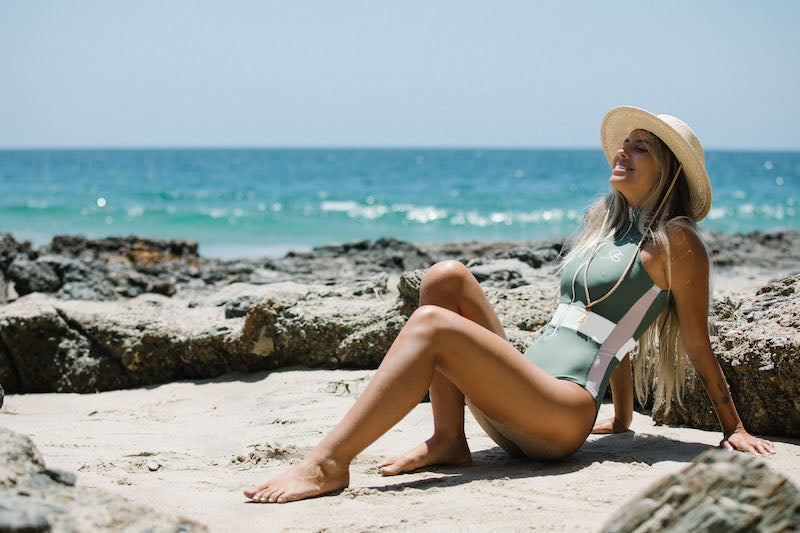
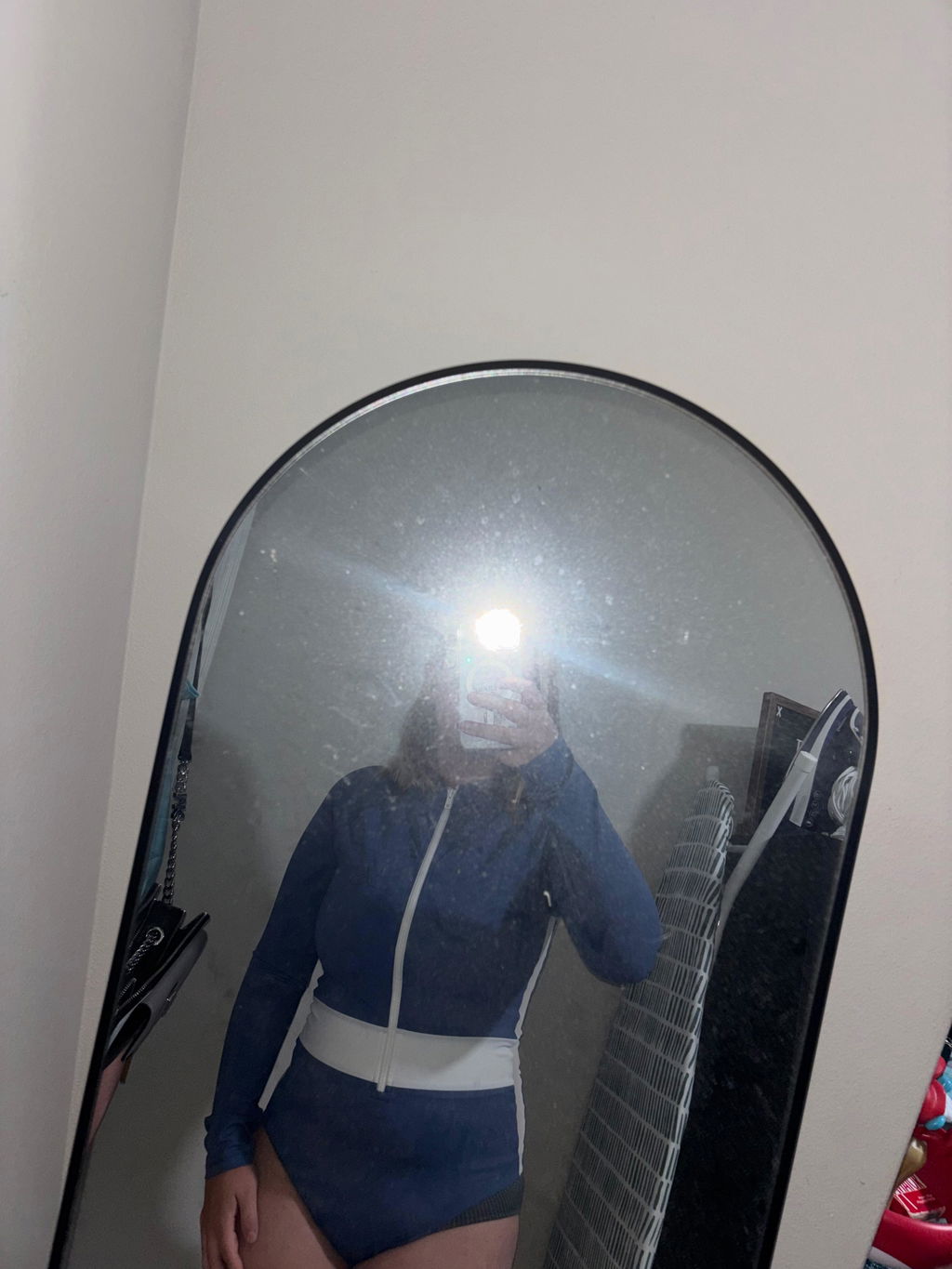
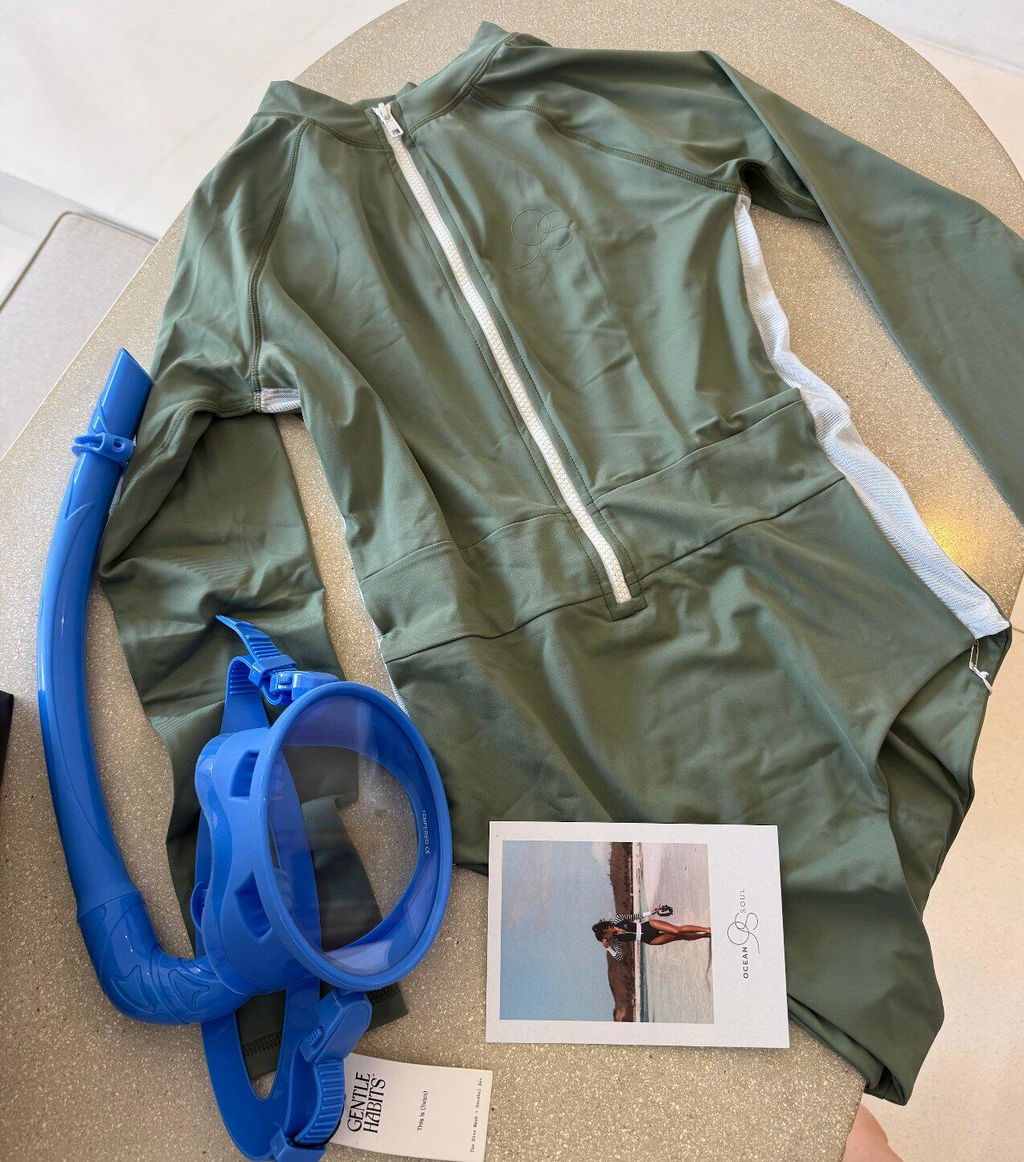
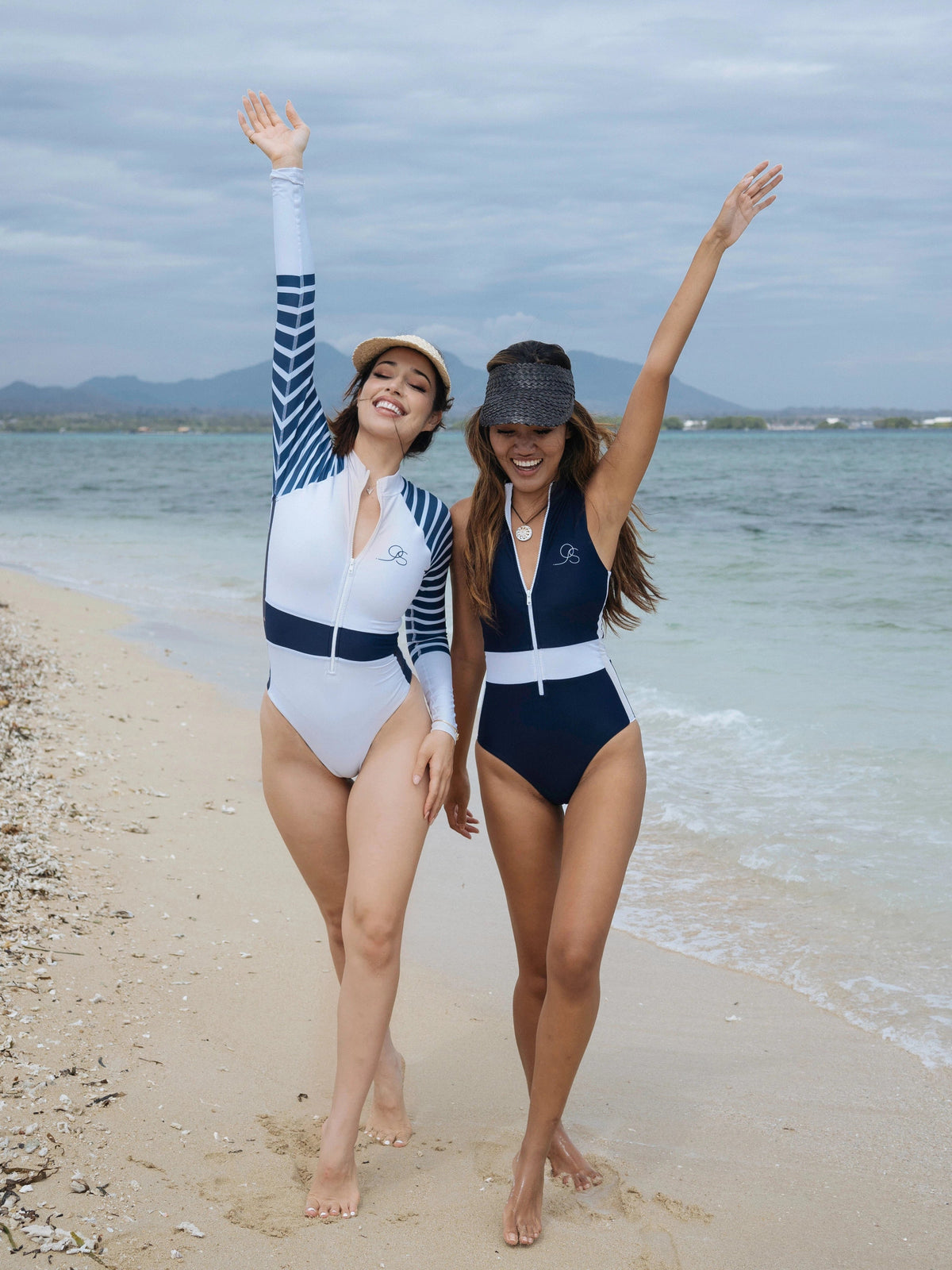
A long sleeve swimsuit is perfect if you're spending a full day on the water.
It provides:
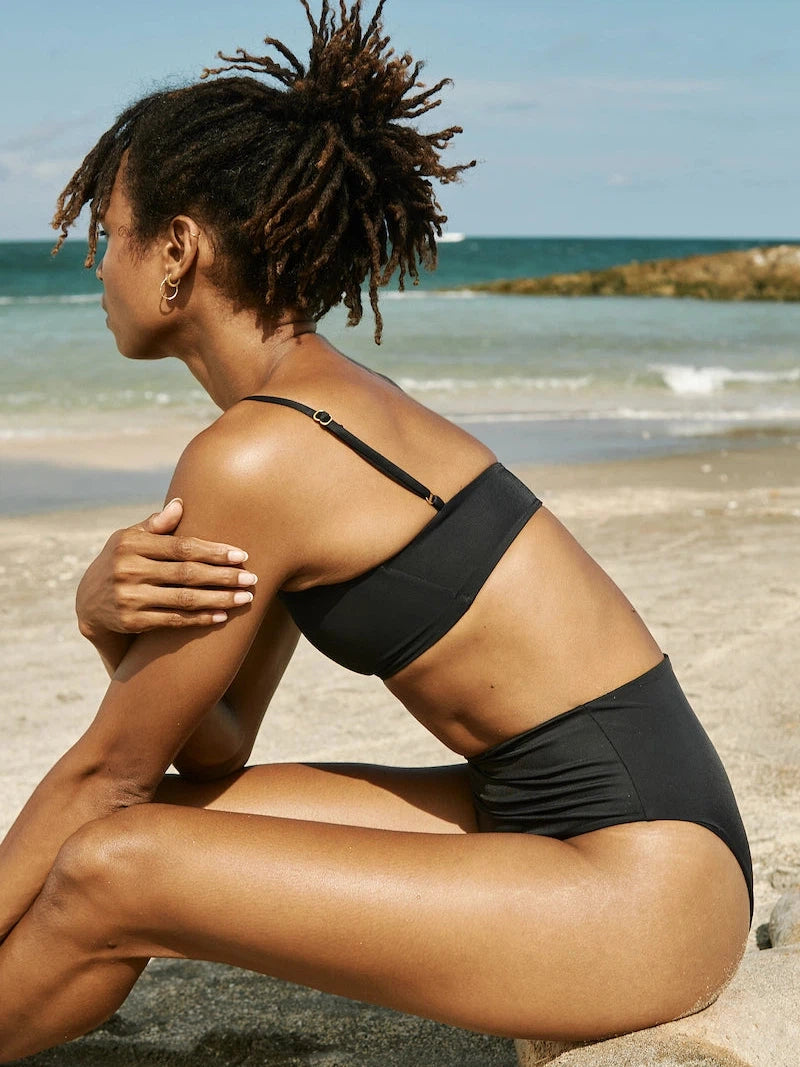
For shorter snorkelling trips or relaxed beach days, a supportive seamless bikini is equally suitable.
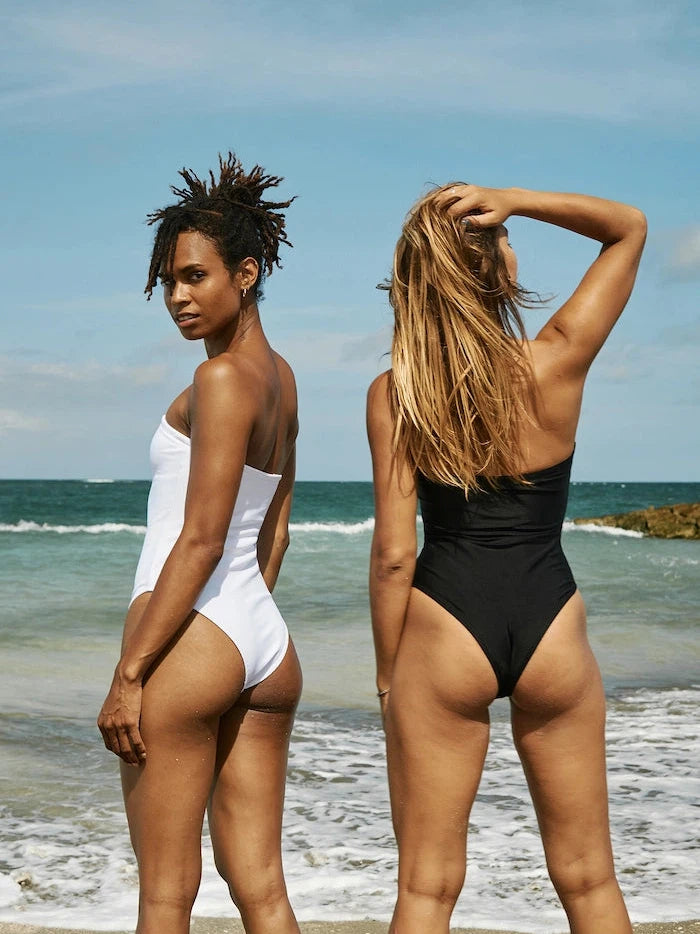
The most important thing is choosing swimwear designed for movement rather than simply lounging beside a pool.

Yes.
Even if you're wearing a UPF swimsuit, exposed areas such as your face, neck, hands and legs still require protection.
Whenever possible choose reef-safe sunscreen to minimise environmental impact.
Remember to apply sunscreen at least twenty minutes before entering the water.
Reapply after each snorkelling session if needed.
It depends on where you're snorkelling.
Locations with sandy entries such as Amed generally don't require reef shoes.
Rockier beaches may be more comfortable with lightweight water shoes, particularly if you're carrying fins.
Your tour operator can usually advise what's most suitable for each destination.
Yes.
Many people who snorkel in Bali aren't confident swimmers.
Life jackets are available on most organised tours and guides remain close by throughout the experience.
The key is choosing calm conditions and never pushing yourself beyond your comfort level.
If you're anxious, begin in shallow water until you feel relaxed.
Confidence grows surprisingly quickly.
The biggest mistakes are often the simplest.
Avoid these common errors:
A little preparation goes a long way.
The reefs surrounding Bali are living ecosystems that have taken thousands of years to develop.
As visitors, we're incredibly fortunate to experience them.
Protecting them is everyone's responsibility.
Never touch coral.
Never feed fish.
Keep a respectful distance from turtles and manta rays.
Take all rubbish home.
Support local businesses committed to sustainable tourism.
The more we protect these places today, the more incredible they'll remain for future travellers.
After years of exploring Indonesia's coastline, we've learnt that comfort changes everything.
When your swimsuit fits beautifully, stays in place, and protects your skin, you stop thinking about what you're wearing.
You spend longer in the water.
You relax.
You explore further.
Our favourite pieces for snorkelling include the Sulawesi Long Sleeve One Piece for full-day adventures, the Mentawai One Piece for versatile island travel, and our seamless bikinis for shorter snorkelling sessions and relaxed beach days.
They're all designed in Bali using premium Italian recycled fabric for women who love spending time in the ocean.
Most people book a snorkelling trip expecting to see colourful fish.
Few expect how peaceful it feels.
Floating quietly above a coral reef has a way of slowing everything down.
For an hour, the world above disappears.
No emails.
No traffic.
No rushing.
Just the rhythm of your breath and the gentle movement of the ocean beneath you.
It's one of the simplest ways to reconnect with nature and with yourself.
And once you've experienced it, chances are you'll already be planning your next underwater adventure before you've even dried off.
Do I need to bring my own snorkelling gear?
No. Most organised tours provide masks, snorkels and fins.
Can children go snorkelling in Bali?
Yes. Many operators offer family-friendly trips with calm locations and flotation devices.
Will I see turtles?
There's no guarantee, but locations such as Amed, Nusa Penida and Menjangan Island regularly have turtle sightings.
How long do snorkelling trips last?
Most day tours run between six and eight hours.
Can I wear jewellery while snorkelling?
It's best to leave valuable jewellery at your accommodation to avoid losing it in the ocean.
Do I need to be fit?
No. Snorkelling is suitable for most fitness levels and is one of the easiest ways to explore the underwater world.
Whether you're visiting Bali for surfing, snorkelling or simply slowing down, these guides will help you make the most of your time in Indonesia:
















The water is warm year-round, many reefs are easily accessible, and there's an incredible variety of snorkelling locations suitable for complete beginners through to experienced ocean lovers.


The ocean has a way of stripping everything back. It quietens the noise, teaches patience, and reminds you that progress isn't measured by perfection. It's measured by showing up, again and again. For thousands of women every year, Bali becomes the place where that journey begins.
GIFT WITH PURCHASE: a free Resort Beach Sarong with any swimsuit
Express Shipping – 2–4 Days
Free express shipping on orders over your country's minimum – see the banner at the top of the page