SPEND $230 GET FREE SARONG | FREE EXPRESS SHIPPING $300+
SPEND $230 GET FREE SARONG | FREE EXPRESS SHIPPING $300+
SPEND $230 GET FREE SARONG | FREE EXPRESS SHIPPING $300+
SPEND $230 GET FREE SARONG | FREE EXPRESS SHIPPING $300+
SPEND $230 GET FREE SARONG | FREE EXPRESS SHIPPING $300+
SPEND $230 GET FREE SARONG | FREE EXPRESS SHIPPING $300+
SPEND $230 GET FREE SARONG | FREE EXPRESS SHIPPING $300+
SPEND $230 GET FREE SARONG | FREE EXPRESS SHIPPING $300+
SPEND $230 GET FREE SARONG | FREE EXPRESS SHIPPING $300+
SPEND $230 GET FREE SARONG | FREE EXPRESS SHIPPING $300+
$1,234,567.89
Rash Guards for Women: How to Choose the Right One
To choose the right rash guard, start with how much skin you want covered and what you will be doing. Pick a UPF 50+ fabric, a snug fit that will not ride up when you paddle or dive, and a length that suits your sport: a crop rashguard for swims and beach days, a full-length rash guard for snorkelling and long sessions, or a long sleeve swimsuit if you want everything in one piece. Then check the details that make the difference in the water, such as thumbholes, a zip, flat seams and chlorine-resistant fabric. Below is a simple guide to rash guard styles, fit, sun protection and care.
The short answer: choose UPF 50+, a close fit, long sleeves, and the length that matches your activity. Pair a rash guard with shorts or bottoms you trust, or choose a long sleeve swimsuit for the most secure, one-piece option.
Think about the last time you came in from a long surf or a morning snorkel and saw the line on your lower back where your top had ridden up, pink and hot, the only bit of skin the sun found. A rash guard is the simplest fix for that. It sits between you and the sun, the wax, the sand and the board, so you can stay in the water for as long as the conditions are good.
What is a rash guard for?
A rash guard is a close-fitting swim top made from stretch swim fabric. It was first worn by surfers to stop chafing from boards and wax, which is where the name comes from. Today women wear rash guards for:
Sun protection on shoulders, back and arms, the places that burn fastest when you are face down in the water.
Less chafing from boards, paddles, harnesses and sand.
Coverage and confidence for swims, family beach days, temples and boat trips.
Less sunscreen, which means less product on your skin and in the water.
Long sleeves, a zip and a hat: the easiest way to spend all day outside.
Which type of rash guard should you choose?
There are four main styles. The right one depends on your activity and how much coverage you like.
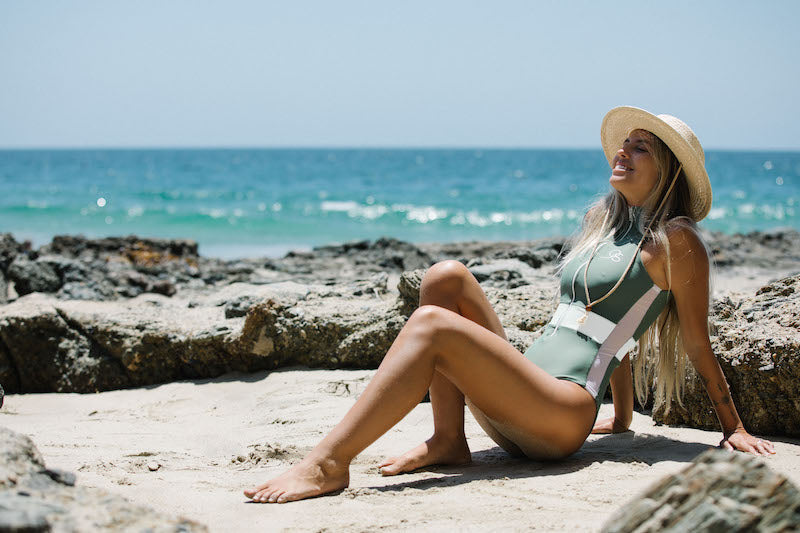
A full-length rash guard with UPF 50+ fabric, thumbhole hand covers and a flattering panelled design. Chlorine and saltwater resistant, in Olive and Midnight.
A rash guard should fit like a second skin. Loose fabric fills with water, drags when you swim and flaps in the wind, and it also rides up and exposes your back. When you try one on:
It should feel snug but not tight across the chest, shoulders and upper arms.
Raise your arms overhead as if you are paddling. The hem should stay put, not lift above your waist.
Check the sleeves. They should reach your wrists, or past them with thumbholes, without bunching.
Look at the seams. Flat, smooth seams are more comfortable against a board or under a harness.
Try a zip if you want one. A zip makes a fitted top easier to get on and off when you are wet.
If you are pulling your rash guard down after every wave, it is the wrong fit or the wrong length for what you are doing.
Does UPF 50+ matter in a rash guard?
Yes. UPF measures how much UV a fabric blocks. Cancer Council Australia rates UPF 50 and 50+ as excellent protection, blocking about 98 percent of UV, and notes that a garment's rating reflects both its fabric and how much skin it covers. They recommend tops with sleeves of at least three-quarter to full length. You can read their full advice on sun protective clothing.
That is why full-length sleeves and a high neckline matter as much as the label. Keep using sunscreen on your face, neck, hands and anything the fabric does not cover. For the detail behind the numbers, read UPF 50+ explained.
Long sessions are where sun protection on your back and arms really counts.
What should you wear with a rash guard?
A rash guard is only as good as what you wear underneath. On the bottom, choose something that stays put through duck dives and wipeouts:
Surf shorts give coverage and a high, secure waistband for paddling and getting on and off boats.
High waisted bikini bottoms sit snugly under a crop rashguard with no gap at the back.
Surf leggings cover your legs for paddleboarding, freediving and long days on a boat.
If you would rather not think about separates at all, a long sleeve swimsuit gives you the same sleeve coverage in one piece, with nothing to ride up. Browse our women's rash vests and long sleeve swim styles to compare.
Rinse it in cool fresh water as soon as you can after every swim.
Hand wash with a gentle soap. Skip the dryer, bleach and fabric softener.
Dry it flat or on a hanger in the shade, not in direct sun.
Avoid sitting on rough surfaces like pool edges and reef rock, which pill the fabric.
Frequently asked questions
Should a rash guard be tight or loose?
Snug. A close fit stays in place when you paddle and dive, does not fill with water, and protects your skin more evenly than a loose top.
Can you wear a rash guard without a swimsuit underneath?
You can wear it over bikini bottoms, high waisted bottoms or surf shorts. Many women wear a bikini top underneath for extra support, but it depends on the rash guard and your comfort.
Is a rash guard or a long sleeve swimsuit better?
A rash guard gives you flexibility to mix and match. A long sleeve swimsuit is one secure piece that cannot ride up, which suits surfing and long snorkels.
Do you still need sunscreen with a rash guard?
Yes, on everything the fabric does not cover: your face, neck, hands, legs and feet.
What is the difference between a rash guard and a wetsuit?
A rash guard is thin swim fabric for sun and chafe protection. A wetsuit or spring suit is neoprene that adds warmth for cooler water.
Want to try rash guards on before you surf? Our shop is at Jalan Pantai Berawa No.101a, Berawa, Canggu, open 9am to 7pm, Monday to Friday.
Cover up and stay in longer
Rash guards, crop rashguards and long sleeve swimsuits with UPF 50+, made in Italian ECONYL® and designed in Bali.
Got this and was worried about it being too small but did the size guide test and it came. Absolutely perfect, fits so well, really flattering and comfortable. Excited to get my next one
I purchased the sulawesi in Olive and its just gorgeous and looks fabulous on, very flattering. Note the snug fit - I am 50kg, a size 6, and the S is a snug fit, I could not have fit into an XS. Can't wait to get to the beach in it. Quality is excellent.
Absolutely in love with this rashguard! The design is gorgeous, the fit is super flattering, and the quality is amazing. It feels so comfortable and looks incredibly stylish, both in and out of the water. The Celestial Blue color is even more beautiful in person! Perfect for my surf days in Bali 💙🌊
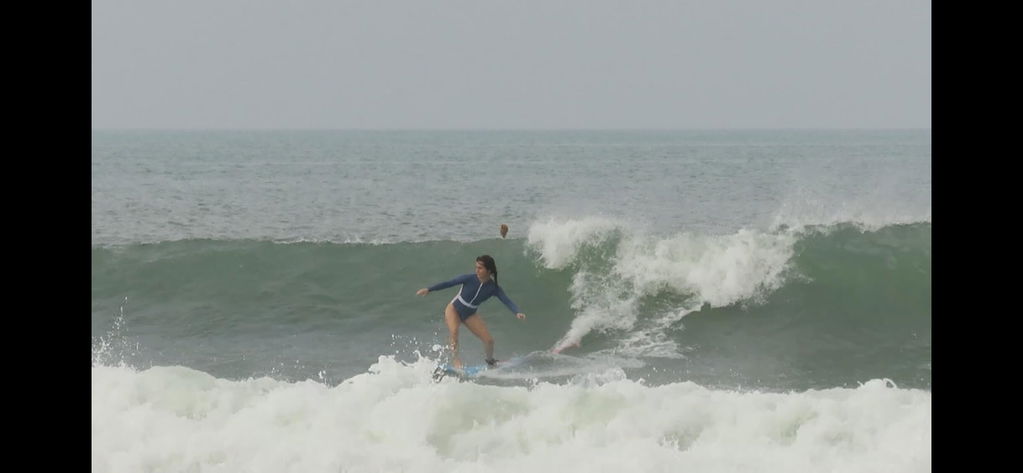
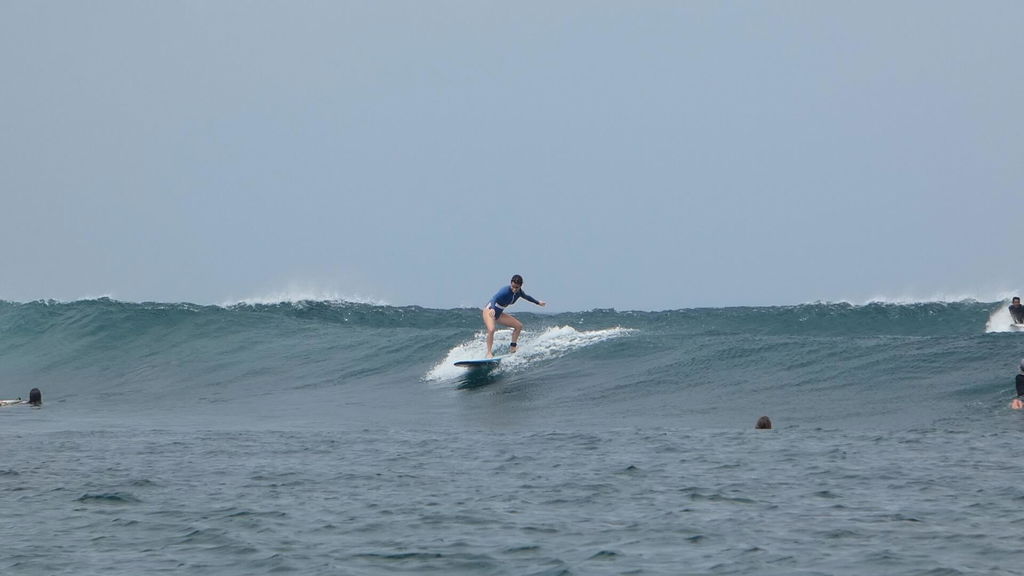
Tested and approved! 🌊🤙 I’m so happy with my new Ocean Soul swimsuit! Perfect for surfing, comfortable, and stays in place in the waves. Definitely a great purchase! 🏄♀️☀️
I’m back from a holiday in Bali and so pleased to have found the shop. I was already buying their swimwear online, and I was very impressed by their other products, which I never would have thought of buying online. These Tencel pants are heaven to wear. A light, comfy pair of wide-leg pants was my number one Bali shopping objective, and Ocean Soul won the prize by far