Kitesurfing and wakeboarding hit the water at speed. Here are 5 swimwear rules for women: a fit that survives falls, harness-friendly coverage and UPF 50+.
The best thing to wear kitesurfing or wakeboarding in warm water is a secure, full-coverage swimsuit with UPF 50+ protection, ideally a long sleeve one piece, or a crop rashguard with high-waisted bottoms and surf leggings. Both sports hit the water at speed, so a regular bikini will shift, ride up or come off in your first big fall. A harness or life vest also rubs bare skin, and you are out in full sun for hours with nowhere to hide. In tropical spots like Bali, where the water sits around 25 to 30°C, you rarely need a full wetsuit. What you need is swimwear that stays on, protects your skin and lets you move freely. Here are the five rules we follow, and the pieces that pass them.
Whether you catch an edge behind the boat or get dragged by a gust, you will hit the water hard and fast. That impact pulls at every strap and seam. Swimwear for kite and wake needs:
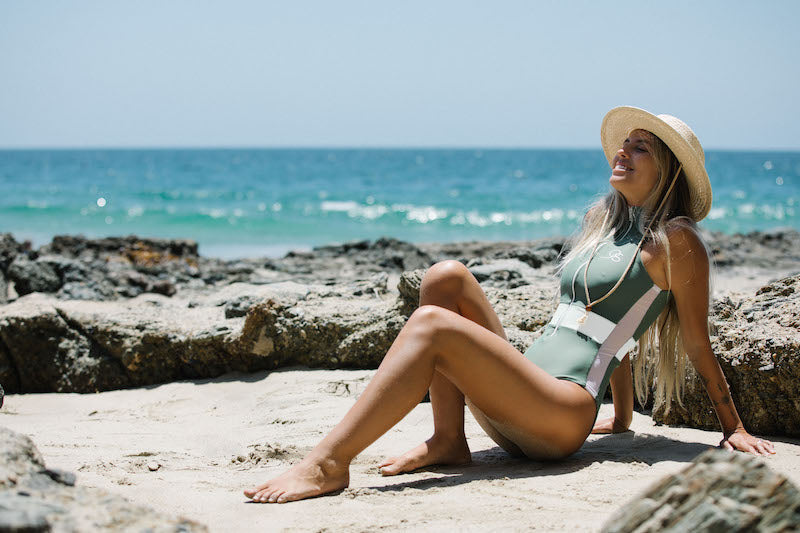
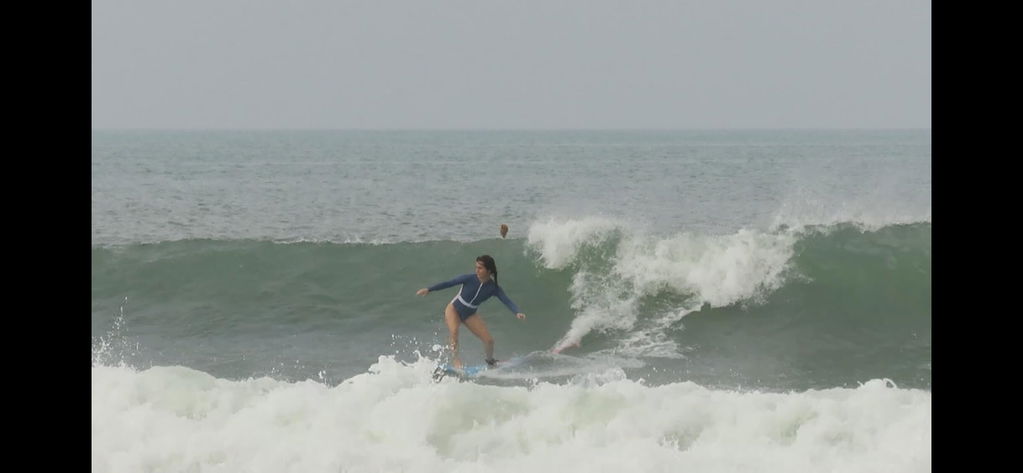
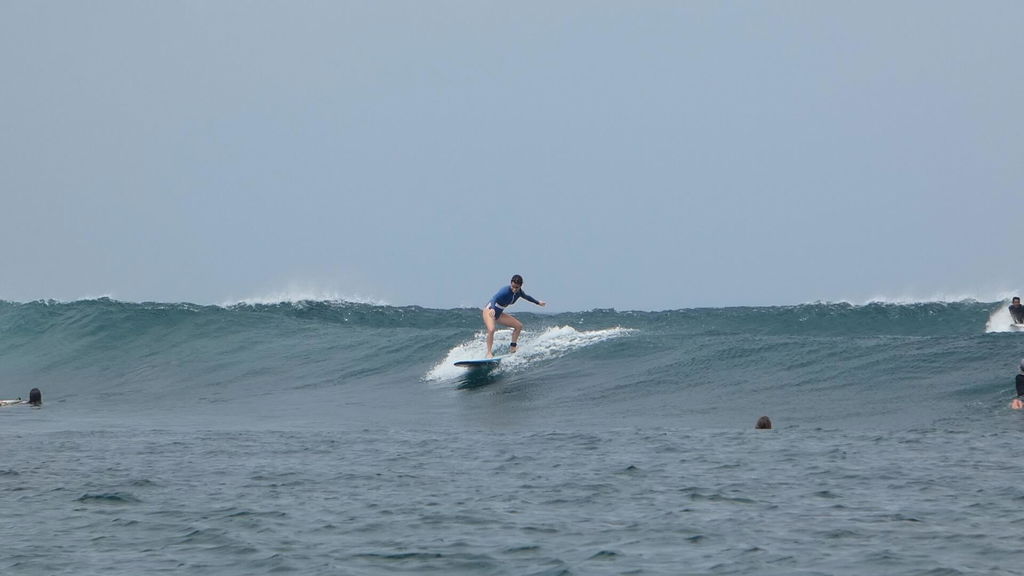
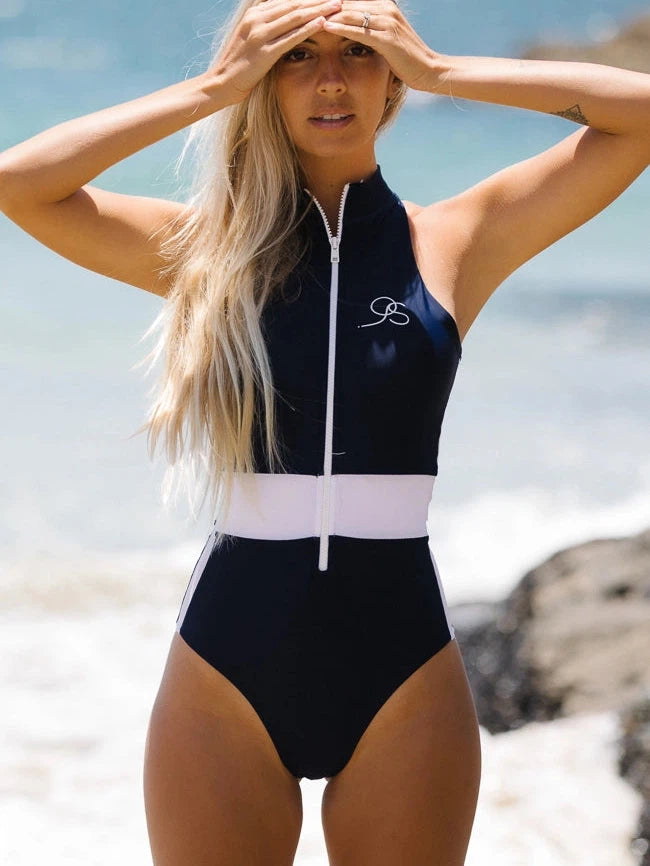
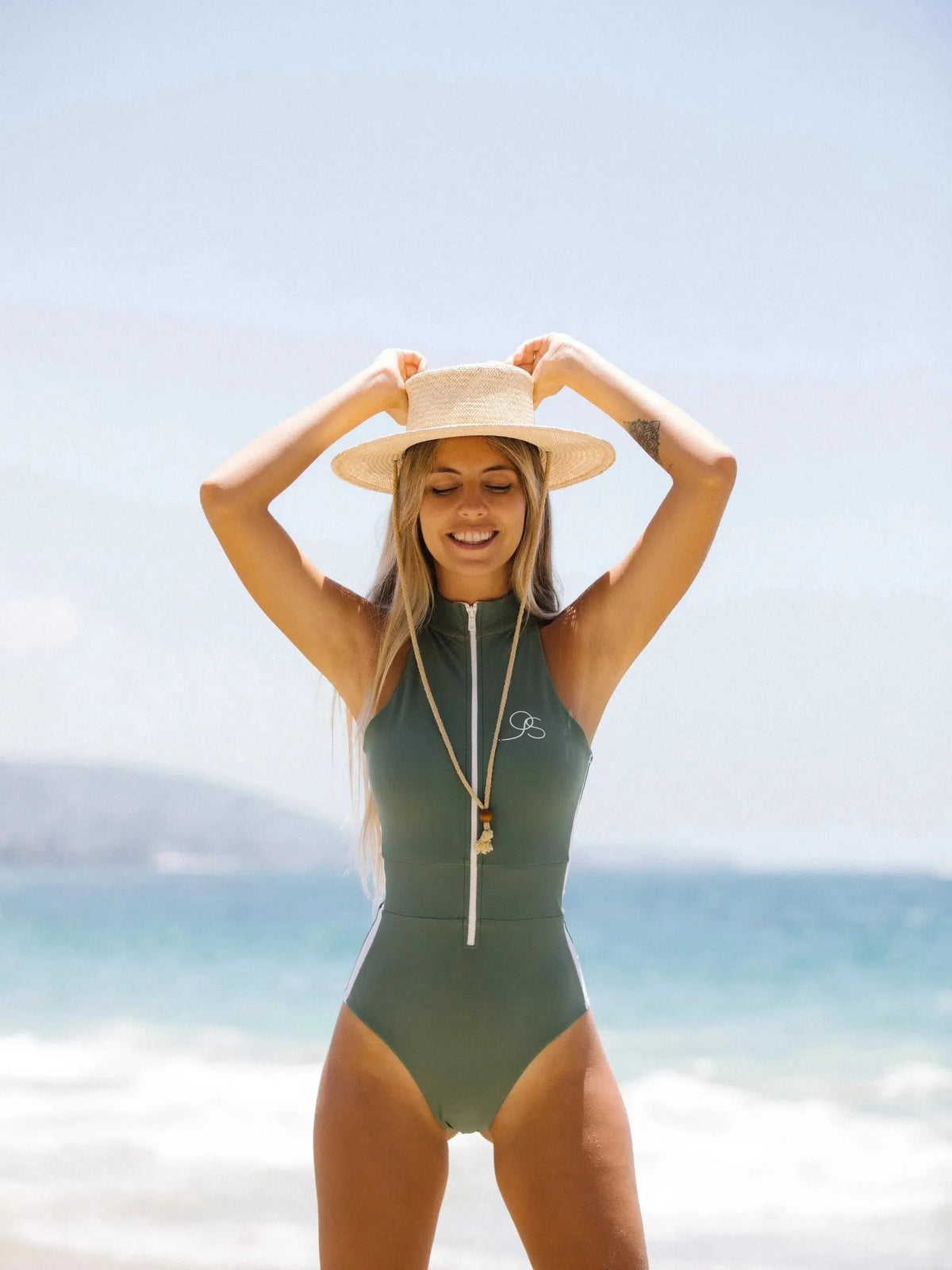
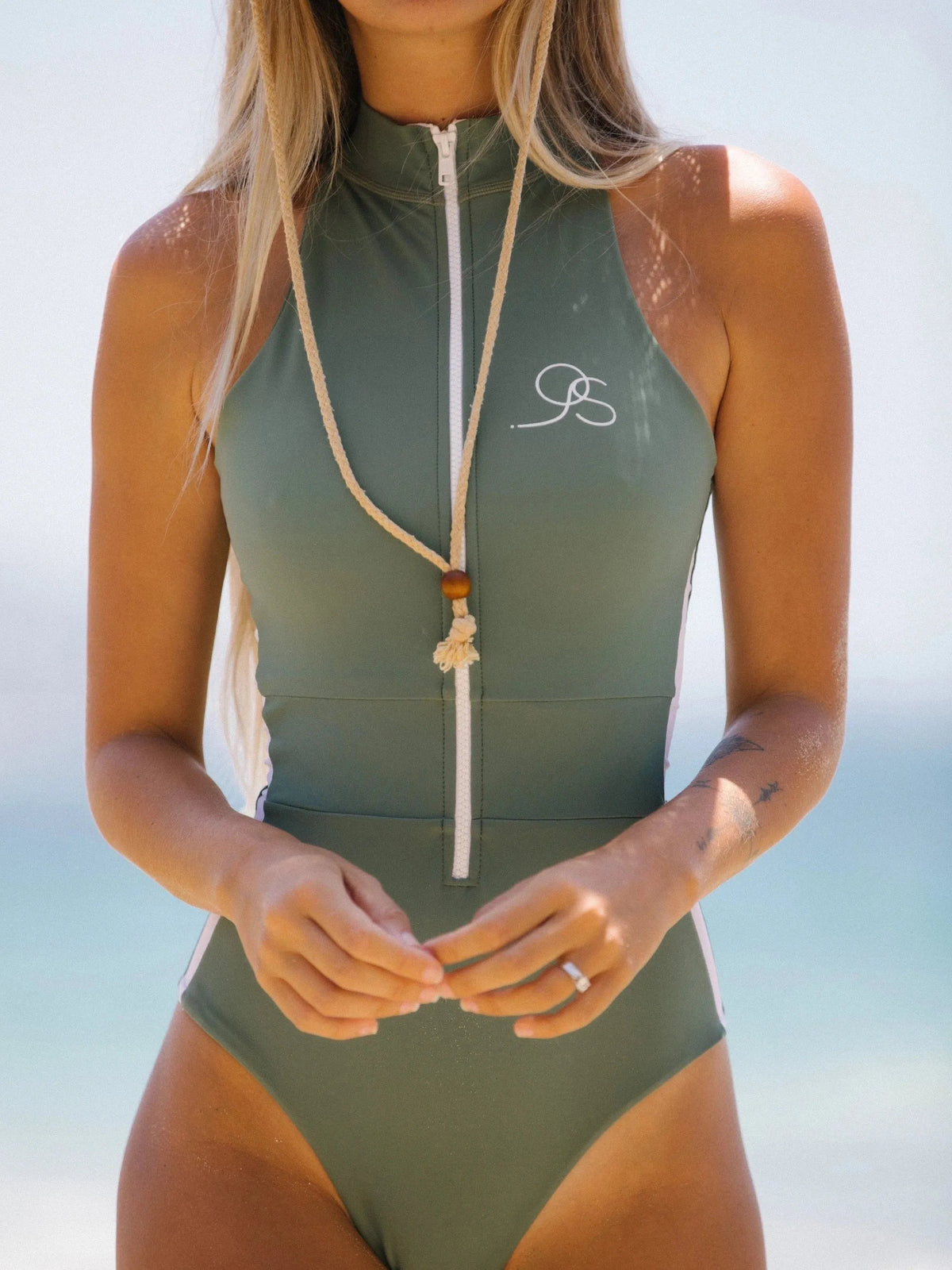
A long sleeve one piece solves all four at once. The sleeves anchor the suit at the shoulders, so it cannot slip down even when you go over the bars. It is the same reason so many women surf in them. We explain the full logic in swimwear that stays on.

Holds through paddle-outs, duck dives and wipeouts, with UPF 50+ from shoulder to wrist.
A kite harness sits around your waist or hips and shifts every time you load the kite. An impact vest or life jacket for wakeboarding rubs at the underarms and ribs. Over a few hours that friction, plus salt and sand, can leave raw, chafed skin.

More than you think. Kite and wake sessions happen in open water, often in the middle of the day when the wind fills in, and the water reflects UV back up at you. Sunscreen washes off with every crash.
A UPF 50 fabric blocks 98% of UV radiation, and unlike sunscreen it does not wash off when you crash. Covering your shoulders, back and arms with fabric means you only need to reapply sunscreen on your face, hands and legs. Our UPF 50+ explainer breaks down what the rating means, and the Australian Radiation Protection and Nuclear Safety Agency explains how UPF ratings work.

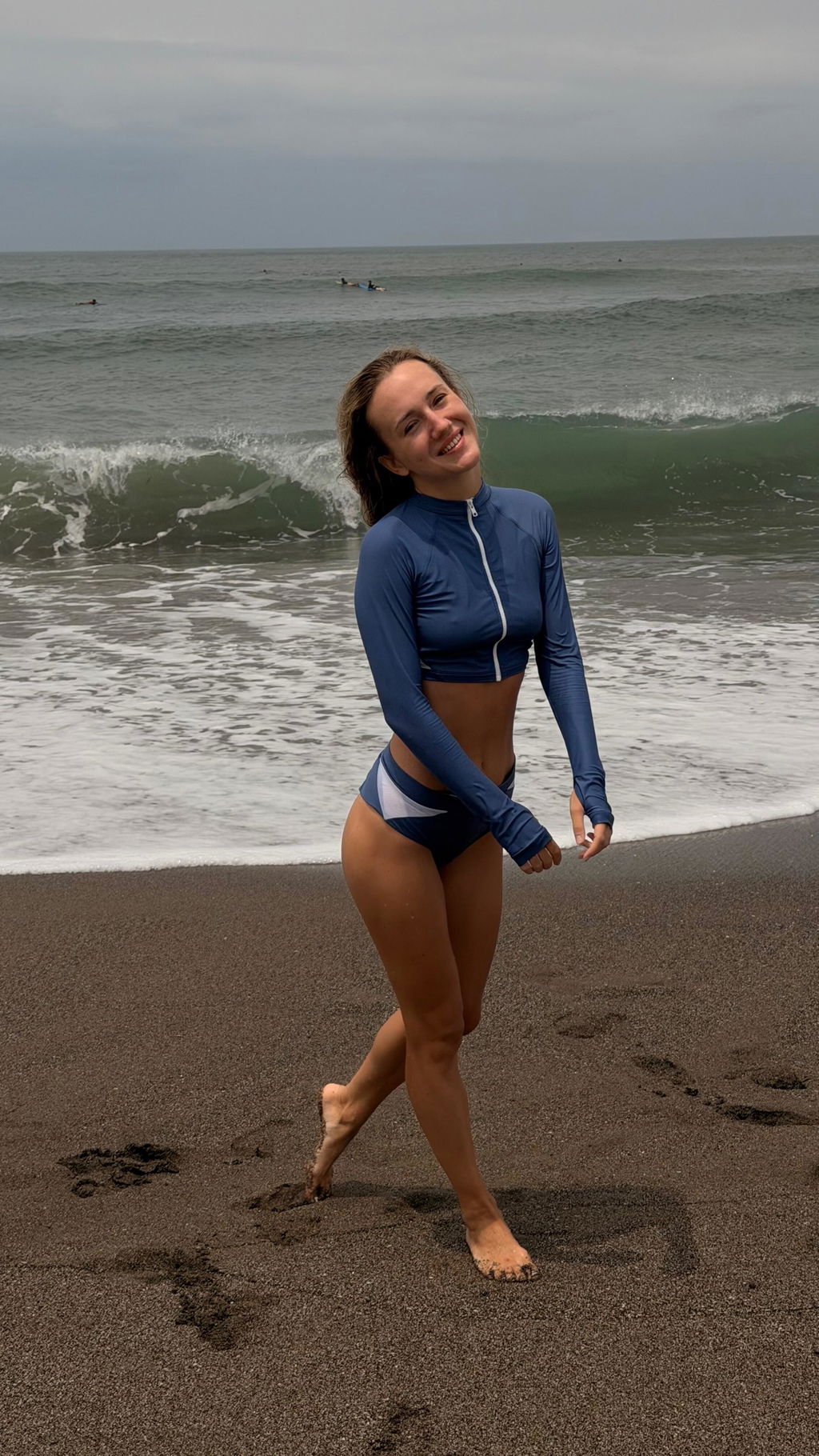
UPF 50+ sleeves with thumbholes that stay put. Pair it with the Sumba High Waisted Bottoms.
If you ride for more than an hour, yes. Your thighs and shins take the most sun, and they are the hardest place to keep sunscreen on. Leggings also add a layer between you and the board, the bindings or straps, and the odd brush with reef in shallow kite lagoons like Sanur.
Look for surf leggings with UPF 50+ fabric and an adjustable waist, so they stay up when you are dragged through the water.

UPF 50+, a back waist tie to lock the fit, and a hidden key pocket for your car or villa key.
Hours of sun, salt and harness friction destroy cheap swimwear fast. It thins, bags and fades within a season. Choose dense, chlorine and salt-resistant fabric that holds its compression.
Every Ocean Soul piece is made from Italian ECONYL®, a regenerated nylon made from recycled ocean and landfill waste. It feels buttery soft, keeps its shape and colour, and is built to be worn season after season, which is better for you and for the ocean you ride on. Read more in why we use ECONYL®.

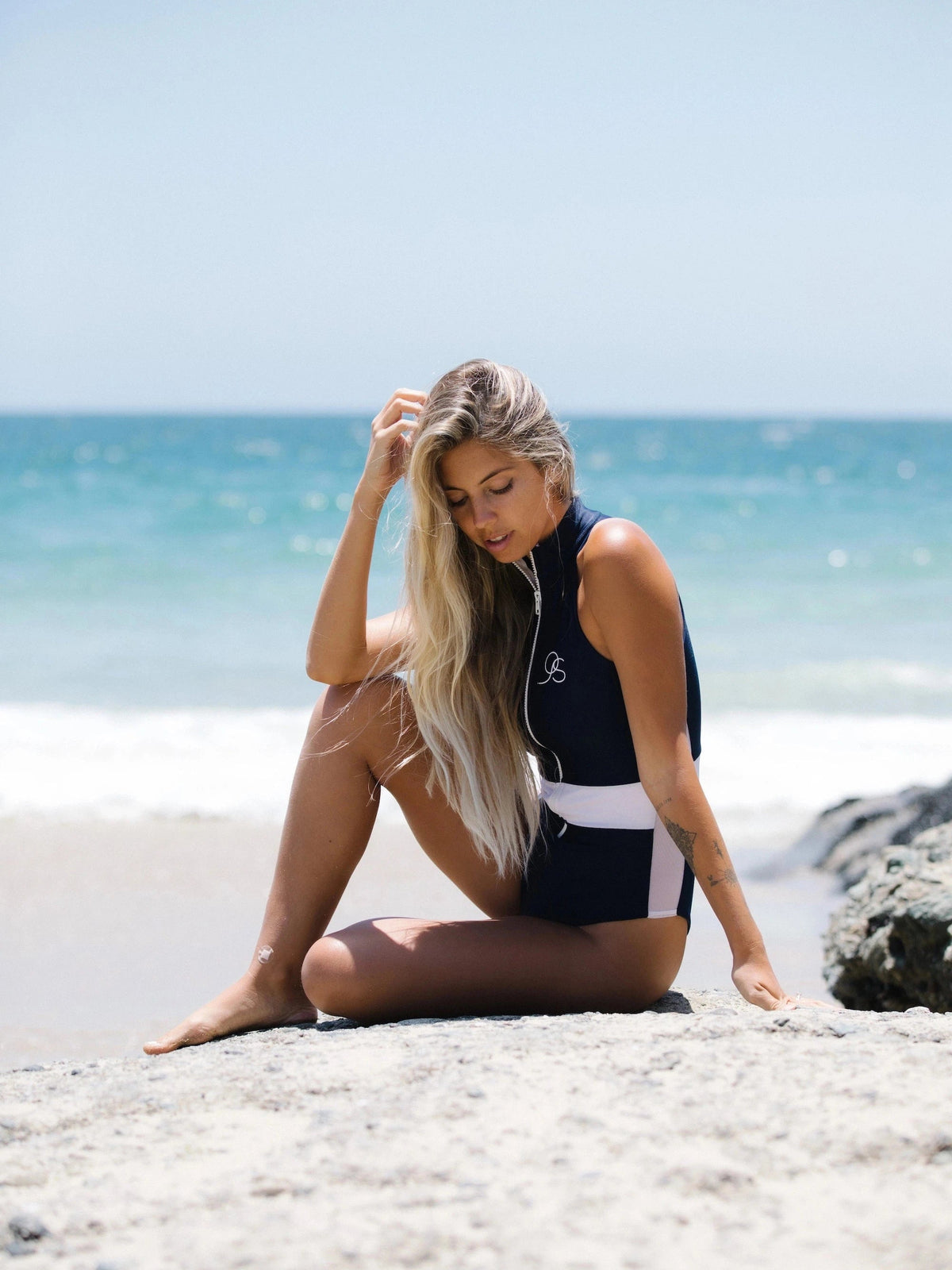
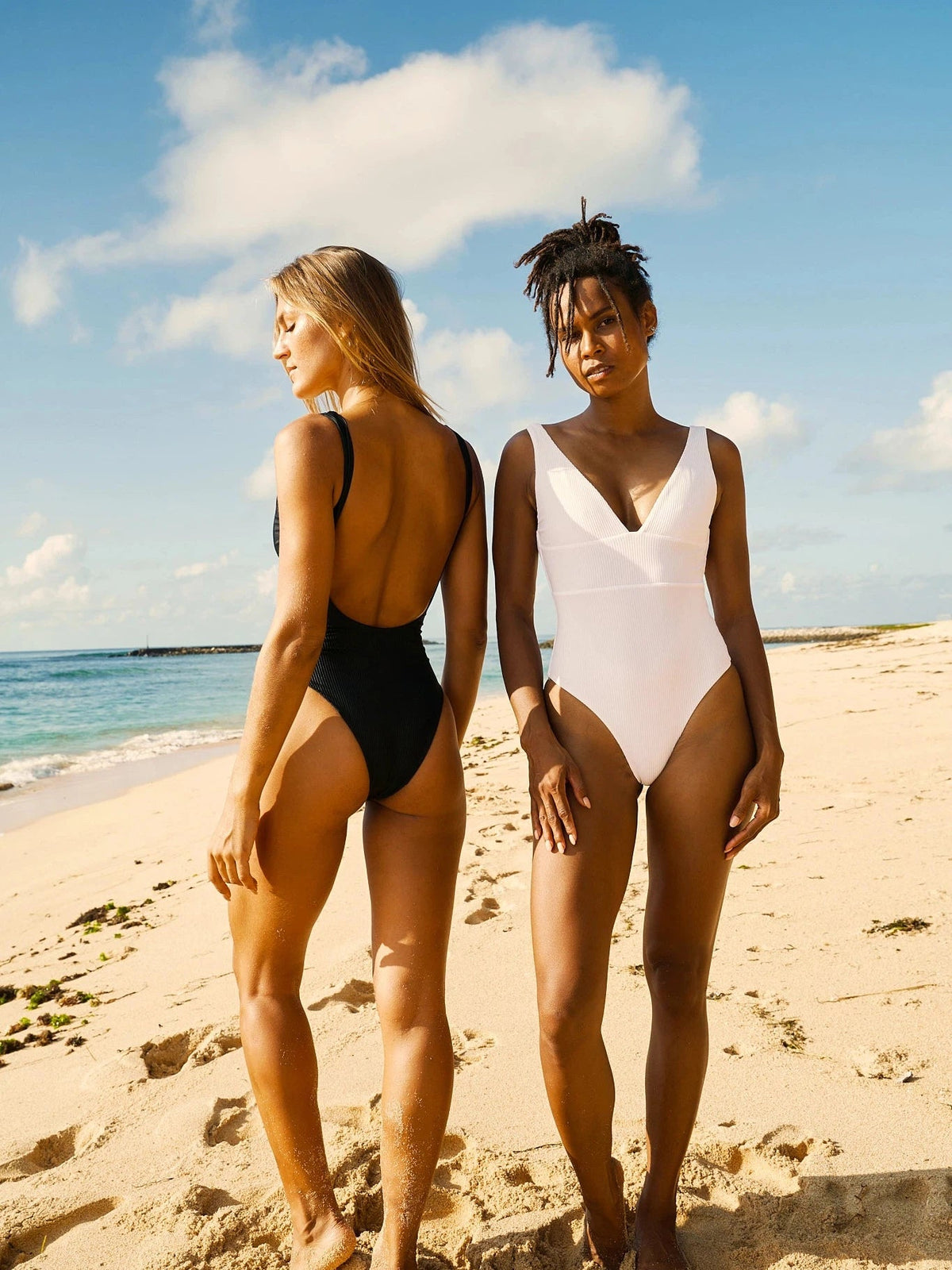
Sleeveless, sculpting and secure for riders who want unrestricted shoulders. Layer the Sumba over it on long days.
| What matters | Kitesurfing | Wakeboarding |
|---|---|---|
| Main friction point | Harness at the waist and hips | Vest at the underarms and ribs |
| Session length | 1 to 3 hours in open sun | Shorter sets, long days on the boat or at the cable park |
| Biggest risk to your swimsuit | Being dragged by the kite | Hard, fast falls at speed |
| Our pick | Sulawesi long sleeve one piece plus Flores leggings | Sumba crop rashguard with high-waisted bottoms, or the Mentawai one piece |
Heading to Bali to ride? The most reliable kitesurfing winds blow from about May to September, with Sanur's flat-water lagoon the go-to spot for lessons. Outside those months the wind is far less predictable, so book flexibly.
Most women wear a secure one piece swimsuit, often long sleeve, or a rashguard with high-waisted bottoms. Many add surf leggings for sun protection and to stop harness or strap rub.
You can, but a standard bikini often shifts or comes off in a hard fall. If you prefer two pieces, choose a crop rashguard or secure crop top with full-seat, high-waisted bottoms.
Usually not. The water around Bali is warm year round, so a UPF 50+ swimsuit or a thin spring suit is enough for most riders.
Wear a layer under the harness, such as a one piece swimsuit or a rashguard long enough to sit beneath it, so the harness never sits on bare skin. Smooth, seamless fabric reduces rubbing further.
Roughly May to September, during the dry season trade winds. June, July and August are typically the most consistent months.
Sculpting, UPF 50+ surf swimsuits made from Italian ECONYL®, designed in Bali for women who ride.
Shop surf swimsuits →12 month quality guarantee. Easy returns and exchanges.








Kitesurfing and wakeboarding hit the water at speed. Here are 5 swimwear rules for women: a fit that survives falls, harness-friendly coverage and UPF 50+.

Nusa Lembongan is 30 minutes from Sanur and home to manta rays, reef breaks and turquoise bays. Here are the 7 best things to do in the water.

Bali's wet season runs from November to March. Here is where to surf, swim and snorkel, month by month, and what to wear for rain and strong tropical sun.
GIFT WITH PURCHASE: a free Resort Beach Sarong with any swimsuit
Express Shipping – 2–4 Days
Free express shipping on orders over your country's minimum – see the banner at the top of the page