Gili Trawangan, Gili Air or Gili Meno? How the three Gili Islands compare for snorkelling, turtles and surf, plus how to get there, when to go and what to wear.

Women travelling in Indonesia can wear swimwear freely at the beach, but should cover shoulders and knees in towns, villages and temples, and dress more modestly in Muslim-majority regions like Lombok, Java and Aceh. Bali is mostly Hindu and very used to visitors, so bikinis and one pieces are normal on the sand in Canggu, Seminyak and Uluwatu. The key is to cover up when you leave the beach: a sarong, loose shirt or linen pants is enough. Temples in Bali require a sarong and sash for everyone. In more conservative areas, keep your shoulders, midriff and knees covered away from the water. Pack a few versatile pieces that work in both settings and you will feel comfortable and welcome everywhere.
There’s something deeply transformative about travelling through Indonesia as a woman. It’s not just the landscapes - the lush jungles, volcanic coastlines, and endless ocean - it’s the culture. The quiet rituals. The offerings placed gently on the ground each morning. The sense of respect that flows through daily life. And as a visitor, stepping into that rhythm comes with a responsibility - to move with awareness, to dress with intention, and to honour the places and people you’re experiencing.

Indonesia is diverse. Bali is predominantly Hindu, while many other regions - including Lombok, parts of Java, and the Mentawai Islands - are Muslim. That means what feels completely normal in one place may feel inappropriate in another. And as women, how we dress and present ourselves can shape our experience more than we realise.
This isn’t about restriction. It’s about respect. And when you approach it this way, something shifts - you feel more connected, more welcomed, and more grounded in the experience.
Understanding the Balance - Beach Culture vs Local Life
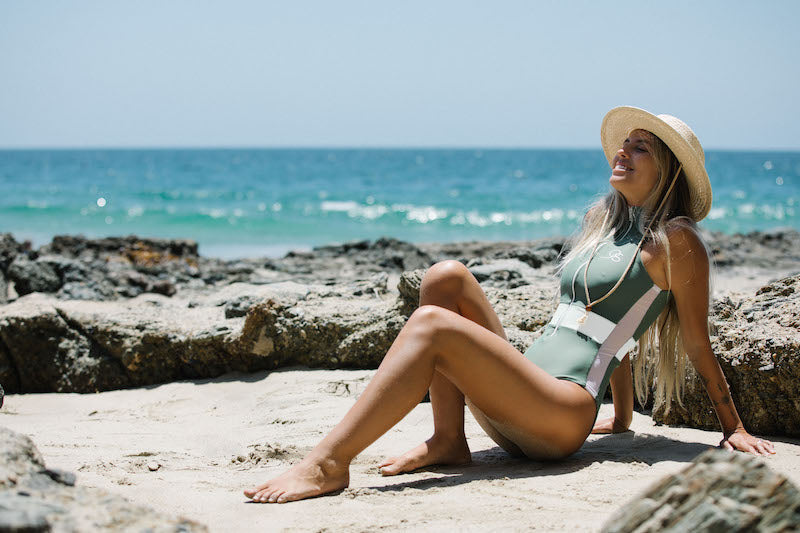
In places like Canggu, Uluwatu, and Seminyak, swimwear is everywhere. Bikinis, one pieces, long sleeve swimsuits - it’s part of the lifestyle. But step just a few streets back from the beach, and you’re in local neighbourhoods, temples, and communities where modesty is valued. This is where awareness matters most. Walking through a village in just a bikini or sports bra might feel normal after a beach day, but it can be perceived as disrespectful. The shift is simple - cover up when you leave the beach. A sarong, an oversized shirt, or a light resort pants instantly changes how you’re received.

What to Wear - A Simple Guide for Women Travelling Indonesia
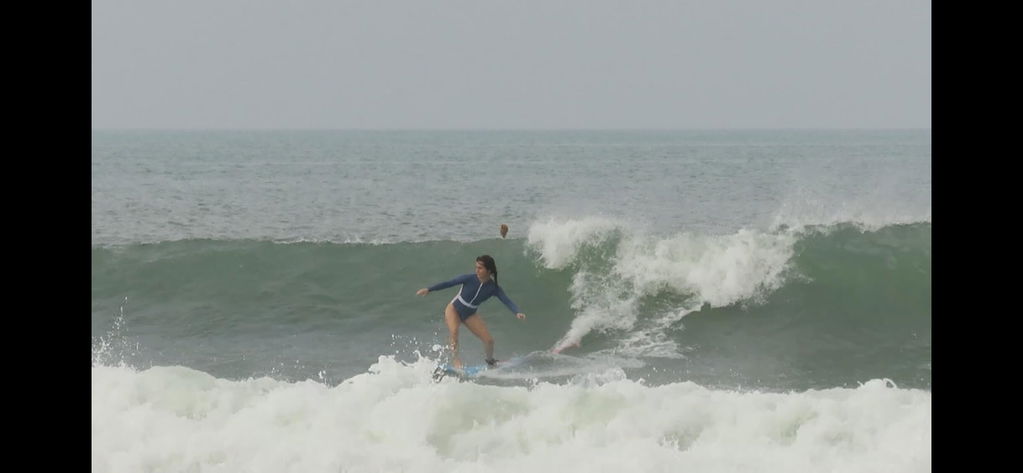
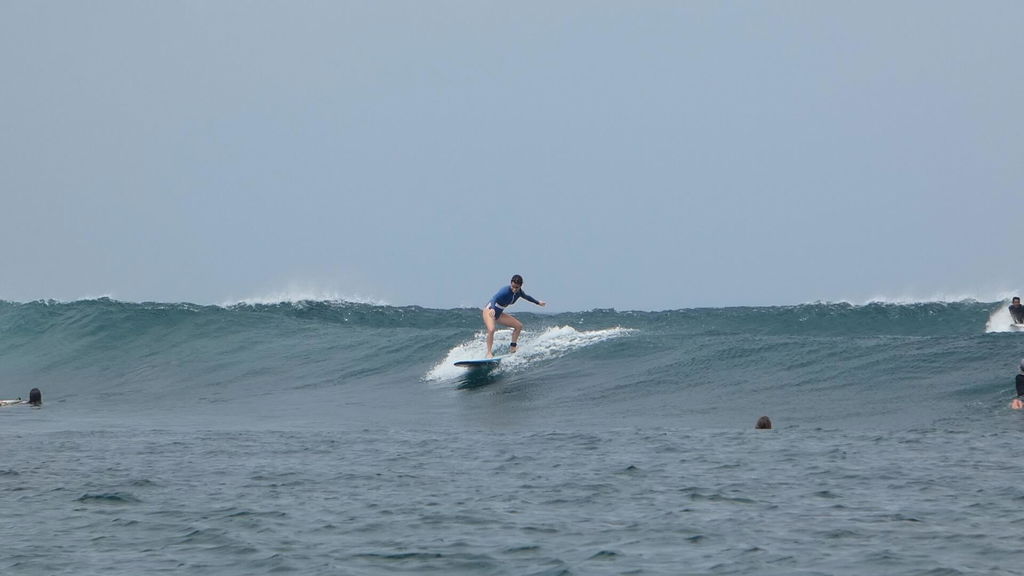
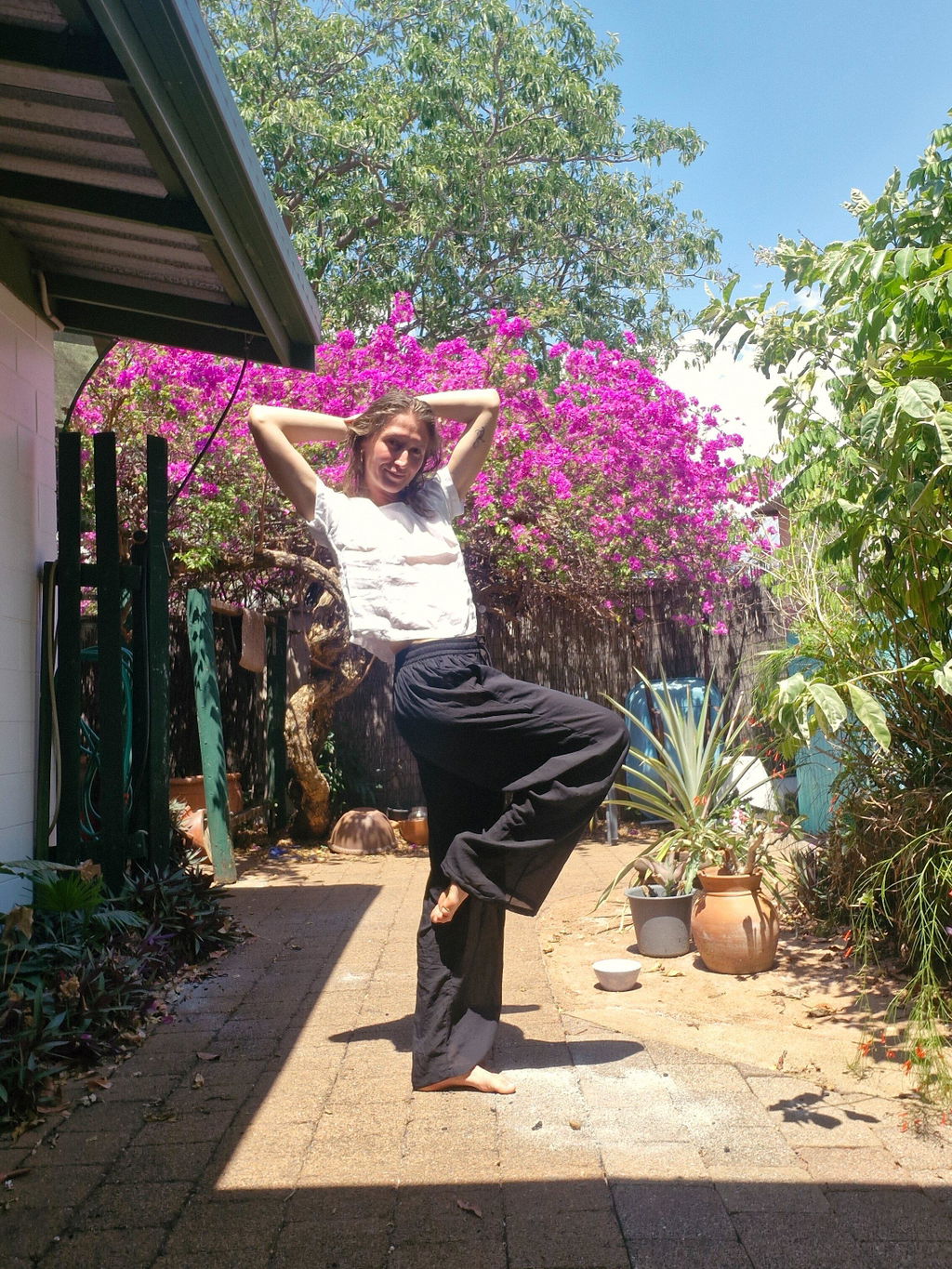
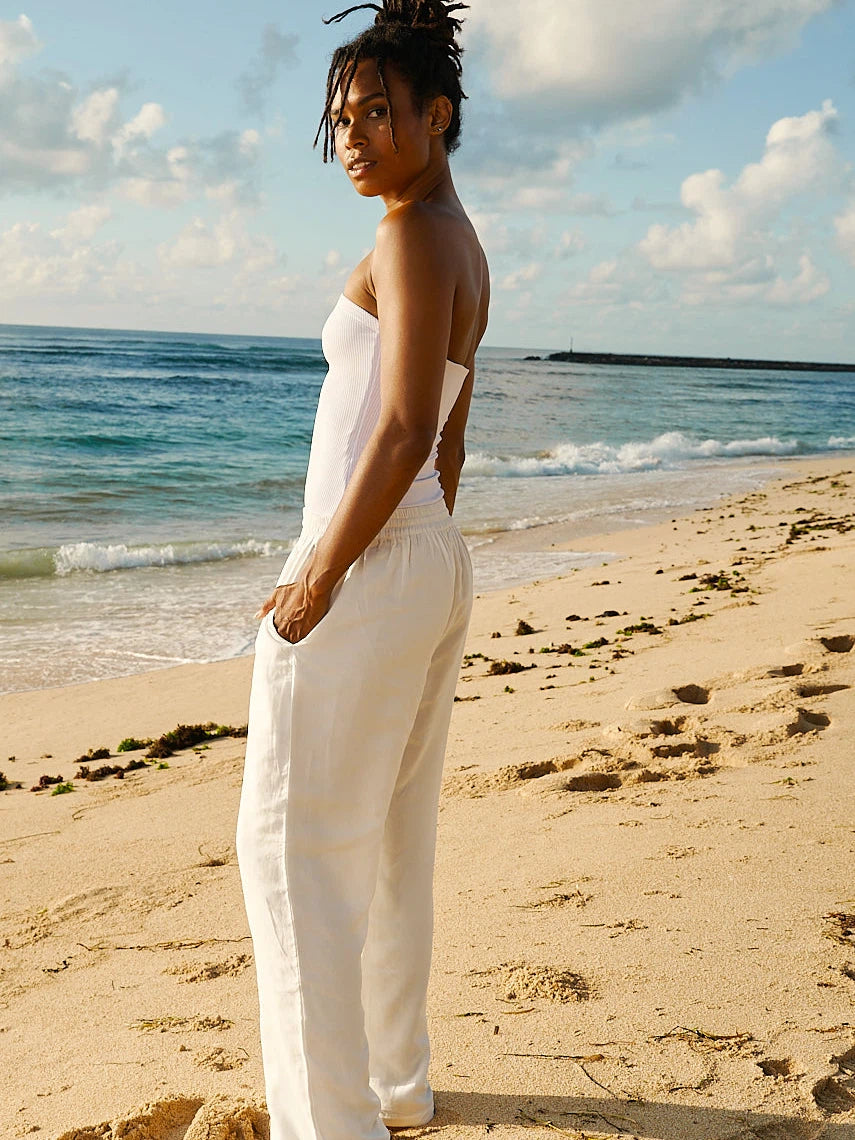
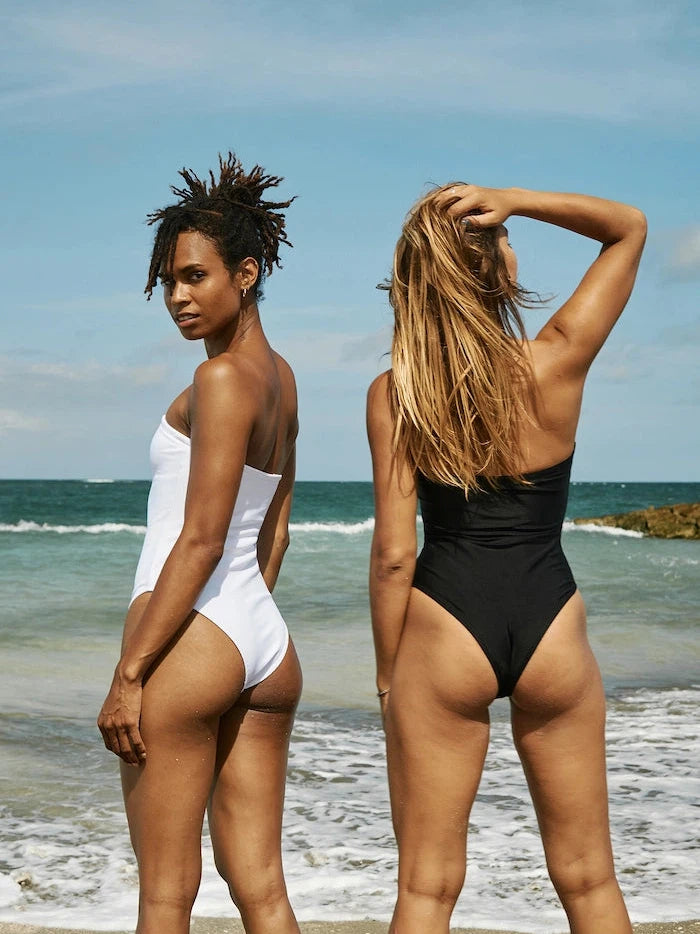
You don’t need to overhaul your wardrobe. You just need a few thoughtful pieces that allow you to move between environments easily. For beach and water time, wear what makes you feel confident and comfortable. A seamless bikini or a one piece swimsuit works perfectly here. If you’re surfing or spending long days in the sun, a long sleeve swimsuit offers both protection and ease. When you’re heading into towns, cafés, temples, or local areas, layer up. Think loose shirts, linen pants, sarongs, or flowy dresses. Breathable fabrics are key in the humidity, and styles that skim the body rather than cling feel both respectful and comfortable.
In more conservative areas like Lombok or rural parts of Indonesia, aim to keep shoulders and midriff covered when not at the beach. It’s not about blending in completely - it’s about showing awareness of where you are.
Temple Etiquette - A Non-Negotiable
If you’re visiting temples in Bali, there are clear expectations. Both men and women are required to wear a sarong and sash. Shoulders should be covered, and clothing should be modest. Many temples provide sarongs at the entrance, but bringing your own is always a good idea. It’s a small gesture that shows respect for the space you’re entering. And energetically, you feel it too - when you dress with intention, your experience deepens.
Travelling Through Muslim Regions - What Changes
In Muslim areas, modesty becomes more important, especially away from tourist zones. This doesn’t mean you can’t wear swimwear - it just means being mindful of when and where. At beaches or surf breaks, bikinis are generally accepted, particularly in areas frequented by travellers. But in towns or when moving through local communities, it’s best to cover up. A loose shirt over your bikini, longer shorts, or a dress is enough. The goal isn’t perfection. It’s awareness. And that awareness is always appreciated.
Why This Matters More Than You Think
When you dress with respect, people respond differently. There’s more openness. More warmth. More connection. You’re not just passing through a place - you’re engaging with it. And that’s where the real magic of travel happens. It’s in the shared smiles, the conversations, the sense that you’re welcome.
Packing with Intention - Less but Better
One of the best ways to travel through Indonesia is to pack less, but choose better. Pieces that work across multiple settings are key. A long sleeve swimsuit can double as a top. A one piece can be worn with a sarong to a beach club. A seamless bikini can be layered under loose clothing for easy transitions. This is where quality matters. When your pieces are well-made, flattering, and versatile, you don’t need as many. And you move through your trip feeling more put together, more confident, and more at ease.
Confidence Comes from Awareness
There’s a quiet confidence that comes from knowing you’re moving through the world with respect. Not second-guessing what you’re wearing. Not worrying if you’re out of place. Just feeling grounded, aware, and present. That’s the kind of confidence that doesn’t come from trends or fast fashion. It comes from intention.
Travelling Indonesia as a woman isn’t about limiting yourself. It’s about expanding your awareness. It’s about understanding that beauty, freedom, and respect can all exist together. And when they do, your experience becomes something deeper than just a holiday.
You leave with more than photos. You leave with perspective.
Packing Recommendations:
| Destination | Main religion | Beach | Town and village |
|---|---|---|---|
| Bali | Hindu | Any swimwear in tourist areas | Cover up off the beach; sarong and sash for temples |
| Nusa Lembongan and Penida | Hindu | Any swimwear | Light layers in villages |
| Gili Islands | Muslim | Swimwear accepted on tourist beaches | Cover up away from the beach |
| Lombok | Muslim | Swimwear at surf and tourist beaches | Shoulders and knees covered |
| Java | Muslim (mostly) | Modest swimwear | Conservative dress, especially in rural areas |
| Mentawai and Sumatra | Mostly Christian (Mentawai), Muslim (mainland Sumatra) | Swimwear at surf camps and boats | Modest dress in mainland towns |
| Aceh | Muslim (Islamic law applies) | Full coverage recommended | Loose clothing covering arms and legs |

UPF 50+ coverage from shoulder to wrist that stays put in the surf, then styles as a bodysuit with pants or a sarong.
$230 AUDShop the Sulawesi →
Light, packable and easy to tie. Wear it over your swimsuit after the beach or as your temple sarong.
$40 AUDShop the sarong →You can travel almost anywhere in Indonesia with one small bag if every piece works hard. Pack one long sleeve swimsuit that doubles as a bodysuit, one bikini or sleeveless one piece for resort pools, surf leggings for snorkelling and boat days, a sarong, a pair of wide-leg pants, a pair of joggers for flights and ferries, two or three loose t-shirts and one light long sleeve layer for temples and evenings. Add sandals, a hat and mineral zinc for your face, and you are set from Bali's beach clubs to Lombok's villages.
The more respectfully you dress, the more warmly you are usually welcomed.


Breathable wide-leg TENCEL pants that cover your legs and stay cool in the heat.
$85 AUDShop the Nusa →UPF 50+ long sleeve swimsuits that cover you in the water and style as a bodysuit on land. Designed in Bali.
Shop long sleeve swimsuits →12 month quality guarantee. Easy returns and exchanges.
Yes. Bikinis are normal on Bali's beaches, beach clubs and pools. Cover up with a sarong or shorts when you walk into town, shops or villages.
In Bali and tourist areas, yes. In Muslim-majority regions like Lombok and Java, knee-length shorts or loose pants are more respectful away from the beach.
A sarong covering your legs, a sash at the waist and a top that covers your shoulders. Many temples lend sarongs at the entrance.
Not in Bali or most tourist areas. In Aceh, many female visitors carry a headscarf for public places and mosques. Always cover your hair when entering a mosque.
Many women travel solo in Indonesia, especially Bali and the Gilis. Use normal precautions: registered taxis or ride apps, care at night and respectful dress in local areas.
If this kind of travel speaks to you, keep exploring
Freediving in Indonesia - The Most Beautiful Places Beneath the Surface
Where to Find the Best Swimwear in Canggu
Why UPF Swimwear Is the Summer Essential You Didn’t Know You Needed














Gili Trawangan, Gili Air or Gili Meno? How the three Gili Islands compare for snorkelling, turtles and surf, plus how to get there, when to go and what to wear.

Long torso swimsuit guide: how to measure your torso, the signs a one piece is too short, and the strapless and two piece styles that fit a longer body.

Amed is Bali's black sand freediving and snorkelling coast. Where to swim, how to snorkel the USAT Liberty wreck in Tulamben, when to go and what to wear.
GIFT WITH PURCHASE: a free Resort Beach Sarong with any swimsuit
Express Shipping – 2–4 Days
Free express shipping on orders over your country's minimum – see the banner at the top of the page